What is the Zeus virus? How to prevent it?
In today’s world, malware attacks are one of the biggest threats to businesses and individuals. Among the most dangerous is the Zeus virus, also known as Zeus Trojan or Zbot. This malware has caused chaos since its introduction in 2007 and continues to be a cyber security threat.
This blog will explain the Zeus virus, how it works, and how to prevent it. By the end, you’ll learn how CyberArrow’s Awareness Platform can help you and your team stay ahead of malware like Zeus.
What is the Zeus virus?
The Zeus virus is a type of Trojan horse malware. It mainly targets systems that run on Microsoft Windows. Once it infects a system, Zeus allows hackers to steal sensitive information like banking credentials, passwords, and other private data. Hackers often use this malware to commit identity theft, install ransomware, and carry out illegal financial transactions.
How Zeus works
There are two common ways the Zeus virus infects a computer:
- Drive-by downloads: This happens when users visit a website that secretly installs the virus onto their computers. Sometimes, it doesn’t require the user to click anything. Simply visiting a compromised website can be enough to get infected.
- Phishing attacks: This is when users receive fake emails or social media messages tricking them into clicking on a link or downloading an attachment. These links often look legitimate but are crafted to spread the malware.
Once Zeus enters a computer, it can remain hidden for a long time, quietly collecting sensitive data. The malware often targets financial information, such as bank account logins. It can also add the infected device to a botnet, which is a network of infected computers that hackers can use for large-scale attacks like Distributed Denial of Service (DDoS) attacks.
History of the Zeus virus
Zeus was first discovered in 2007 when it targeted the U.S. Department of Transportation. The malware became a huge threat when its source code was made public in 2011. After this leak, countless versions of the virus were created by cybercriminals worldwide.
Some of the most dangerous variants of Zeus include:
- Gameover Zeus: This is one of the most destructive variants. It is capable of stealing financial information and also adds the infected device to a botnet for launching DDoS attacks.
- SpyEye: This variant focuses on stealing banking information, making it a huge threat to individuals and businesses alike.
- Ice IX: Based on the Zeus code, Ice IX was used to create botnets that collected sensitive information such as credit card numbers and banking credentials.
- Carberp: This variant targeted older versions of Windows, like Windows XP and Windows 7, and was responsible for various financial thefts.
Why is the Zeus virus dangerous
The Zeus virus poses many risks to infected systems:
1. Financial loss: The primary goal of Zeus is to steal banking credentials and carry out unauthorized transactions. Businesses and individuals have lost millions of dollars due to Zeus infections.
2. Identity theft: Once hackers have access to personal information, they can steal your identity and open fraudulent accounts in your name.
3. Botnet participation: Zeus can turn your computer into a bot that’s part of a larger network used for DDoS attacks. These attacks can disrupt businesses, governments, and even infrastructure.
4. Hard to detect: Some variants of Zeus, like fileless malware, don’t leave any traces on your hard drive. This makes it harder for traditional antivirus programs to detect and remove the virus.
Signs of Zeus virus infection
If your computer is infected with the Zeus virus, there are several warning signs you might notice:
- Slower performance: The malware may cause your computer to run more slowly than usual.
- Unusual transactions: You might see strange or unauthorized activities in your bank account or credit card statements.
- Unfamiliar programs: Zeus may install unknown software on your device, which could run in the background without your knowledge.
- Overheating: Infected systems may begin to overheat due to the extra processes running behind the scenes.
If you notice any of these signs, take action immediately to secure your system and prevent further damage.
How to prevent the Zeus virus
Protecting yourself from the Zeus virus and other types of malware requires a combination of technology and awareness.
Here are the best practices to prevent Zeus infections:
1. Update your software regularly: Always make sure that your operating system, browser, and other software are up-to-date. Cybercriminals often exploit security weaknesses in older software to spread malware.
2. Use antivirus software: Install trusted antivirus software and keep it updated. This will help detect and remove most types of malware, including Zeus.
3. Be careful with emails: Never open attachments or click on links from unknown or suspicious emails. Phishing emails are one of the main ways Zeus is spread.
4. Enable two-factor authentication: Use two-factor authentication (2FA) for all your online accounts, especially banking and email accounts. This adds an extra layer of security.
5. Avoid untrusted websites: Be careful when visiting unfamiliar websites, and avoid downloading files from shady sources.
6. Backup your data: Regularly backup your important files and data. If your system gets infected, you can restore your data from the backup.
7. Employee awareness training: If you run a business, ensure your employees are trained on how to recognize phishing attacks and other cyber security threats.
Quick link: How can you protect your organization on social networking sites?
How CyberArrow can help
Cyber security threats like the Zeus virus require a proactive approach. CyberArrow offers a powerful solution for educating your employees about phishing, malware, and other cyber security threats.
Key features of CyberArrow Awareness Platform:
- Interactive training: Our platform provides engaging and interactive training modules that teach employees how to spot phishing attempts and avoid malware infections.
- Regular assessments: With our automated assessments, you can test your employees’ awareness and track their progress over time.
- Compliance support: We help you stay compliant with the latest cyber security regulations and standards.
Use cases
- Small businesses: A small business owner can use CyberArrow to train staff about cyber security threats, helping prevent phishing attacks and malware infections.
- Financial institutions: Banks and other financial institutions can use the platform to ensure employees are aware of the latest threats, like the Zeus virus, that target financial data.
- IT departments: For large enterprises, the IT department can use CyberArrow to continuously educate the workforce on staying secure in an ever-changing cyber security landscape.
Conclusion
The Zeus virus remains one of the most dangerous types of malware in the world today. It’s vital to stay informed and proactive in defending against this and other threats. By following best practices and using security tools, you can protect your systems and sensitive information from falling into the wrong hands.
CyberArrow’s Awareness Platform can help your organization stay secure by training employees on how to recognize and prevent cyber security threats. With its interactive training modules and regular assessments, it’s an essential tool for building a culture of security in your workplace.
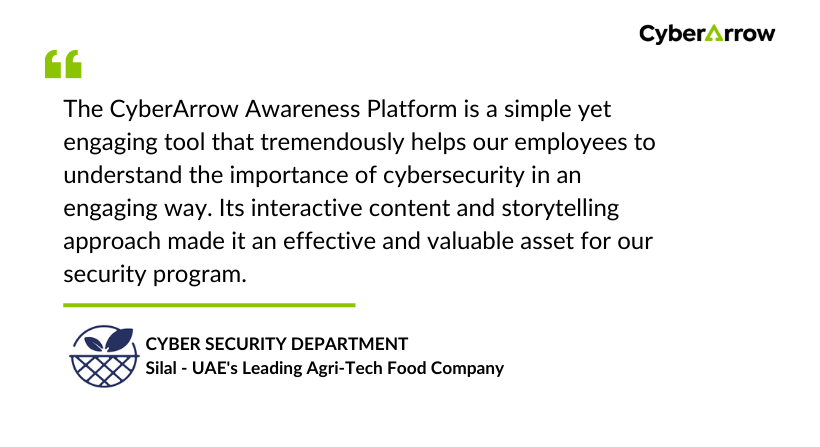
See what Silal has to say about CyberArrow Awareness Platform: