

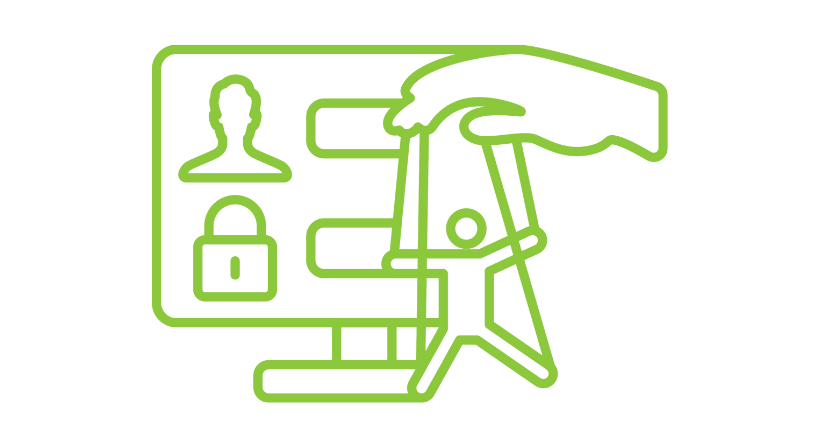
Common types of social engineering attacks: Phishing, vishing, baiting, and tailgating
When it comes to cyber security, most people think of strong passwords, firewalls, and antivirus software. But there’s another danger that doesn’t always rely on technology: it targets people instead. This method is called social engineering.
Social engineering is when cybercriminals trick people into giving away private information, clicking dangerous links, or giving access to secure places. Instead of breaking into a system with code, they break into it using human trust.
In this blog, we’ll explore the different types of social engineering attacks like phishing, vishing, baiting, and tailgating. You’ll learn how these attacks work, real-life examples, and most importantly, how to protect your business. We’ll also show how tools like the CyberArrow Awareness Platform can help train your employees to stop these attacks before they succeed.
What is social engineering?
Social engineering is when attackers use trickery or lies to get someone to do something they shouldn’t, like give up passwords or click a dangerous link.
Instead of attacking computers, these hackers attack the minds of people. They often act like they are someone trustworthy: a boss, coworker, or tech support. Once they gain your trust, they steal your data, money, or access to your systems.
Social engineering is one of the biggest cyber security threats today. It works because people naturally want to help or follow rules. That’s why attackers use emotional tricks like fear, urgency, or curiosity.
Why understanding social engineering attacks matters
Many companies invest a lot in software security but forget the most important part: the human firewall. It only takes one employee clicking one wrong link to put the whole organization at risk.
That’s why understanding the types of social engineering attacks is key. You can’t stop what you don’t see coming.
Let’s break down the most common ones.
1. Phishing
Phishing is one of the most well-known types of social engineering attacks. It’s when an attacker sends a fake message (usually by email) pretending to be someone you trust. The goal is to trick you into:
- Clicking on a dangerous link.
- Downloading malware.
- Giving away your login details.
- Entering private info on a fake website.
Real-Life Example:
You get an email that looks like it’s from your bank. It says your account is locked and gives you a link to “verify your information.” You click the link, enter your login, and just like that, the hacker has your account.
How to Spot Phishing:
- Poor spelling or grammar.
- Suspicious links (hover over them to check).
- Urgent or threatening language.
- Unknown sender asking for private information.
How to Stay Safe:
- Don’t click on strange links.
- Never share passwords over email.
- Use email filters and security tools.
- Train your staff using real-world simulations.
2. Vishing
Vishing is short for voice phishing. Instead of email, attackers use phone calls to trick people into sharing sensitive information.
They may pretend to be from your bank, IT team, or even the government. The goal is to create panic or trust, so you give up important information over the phone.
Real-life example:
An employee gets a call from someone pretending to be from the company’s IT department. The caller says there’s a problem with the employee’s computer and asks for their login details to “fix it.” Once given, the attacker logs into the system and steals data.
Signs of vishing:
- Unexpected calls asking for private info.
- Caller avoids giving details about themselves.
- High-pressure language or threats.
- Asking you to act fast without verifying.
How to stay safe:
- Never share passwords or codes over the phone.
- Ask for a callback number and verify it.
- Report strange calls to your IT team.
- Train employees to spot fake calls.
3. Baiting
Baiting is when hackers leave a “bait” (something tempting) to trick someone into downloading malware or giving access. It plays on curiosity or greed.
This can be physical or digital. A common method is leaving an infected USB drive in a public place. When someone plugs it in, malware gets installed.
Quick link: What is a prompt injection attack?
Real-life example:
An attacker drops a USB drive outside a company building labeled “Salary Information.” An employee picks it up and plugs it into their work computer out of curiosity. Malware installs silently and gives the hacker access to the network.
Signs of baiting:
- Free items (USBs, CDs, online downloads) with tempting names.
- Fake job offers or movie/music downloads.
- Pop-up ads offering gifts or prizes.
How to stay safe:
- Never plug unknown USBs into work devices.
- Don’t download from sketchy websites.
- Use antivirus software.
- Train employees to avoid bait traps.
4. Tailgating (or piggybacking)
Tailgating is a physical social engineering attack. It happens when someone sneaks into a secure area by following an authorized person.
For example, an attacker might wait outside a building and follow an employee through a secure door. Once inside, they could steal equipment or connect a rogue device to the network.
Real-life example:
An attacker dressed as a delivery person waits outside a company building. When an employee opens the door, the attacker asks them to “hold the door.” The employee, trying to be polite, lets them in, giving full access to a secure space.
Signs of tailgating:
- Strangers asking to be let in.
- People without ID badges.
- Anyone acting nervous or out of place.
How to stay safe:
- Never let unknown people into secure areas.
- Report suspicious behavior.
- Use keycards, security badges, or biometric access.
- Train staff to follow access rules without exception.
Why most social engineering attacks work
Social engineering attacks are effective because they don’t rely on breaking through technology. They rely on breaking human habits like trust, kindness, or fear.
Even the most secure system can be broken if a human opens the door.
That’s why awareness is key. And that’s where the CyberArrow Awareness Platform helps organizations to build human firewalls against social engineering attacks.
Build human firewalls with CyberArrow Awareness Platform
Technology can only go so far. To truly protect your organization, your people need to be trained.
CyberArrow is a powerful, automated solution that:
- Trains your employees with short, engaging lessons.
- Simulates real attacks like phishing and vishing to test responses.
- Monitors progress to show who’s at risk.
- Improves company-wide awareness in a way that sticks.
- Turn your team into a human firewall.
CyberArrow makes cyber security simple for everyone, from IT experts to non-technical staff.
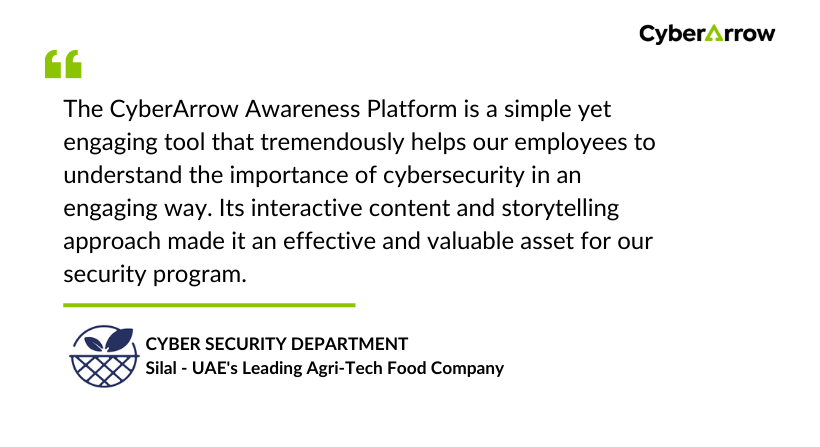
Read how CyberArrow awareness platform increased security awareness among Silal’s employees.
See what Silal has to say about CyberArrow Awareness Platform:
Final thoughts
Social engineering attacks like phishing, vishing, baiting, and tailgating are growing more common and more dangerous. They trick people into doing things that help hackers get inside your systems.
You can’t always stop these attacks with just firewalls and software. The best defense is a smart, trained team that knows what to look for and how to respond.
