What is SOC 3, and how does it help you build customer trust?
You’ve probably heard about SOC 2 reports when discussing vendor risk management, data protection, and compliance. But what about SOC 3?
If your business handles customer data or offers cloud-based services, you are expected to demonstrate that you have strong security practices in place. The problem? SOC 2 reports are confidential and can’t be shared publicly. So, how do you demonstrate your security posture without giving away too much?
That’s where SOC 3 offers help. SOC 3 reports are like the public-facing version of SOC 2: shorter, more digestible, and built for trust at scale.
Let’s break it all down.
What is SOC 3?
SOC 3 (System and Organization Controls 3) is an independent audit report that evaluates a company’s controls related to security, availability, processing integrity, confidentiality, and privacy. These are the same Trust Services Criteria used in SOC 2 audits.
However, unlike SOC 2, which contains detailed descriptions of internal systems and controls, SOC 3 is designed to be publicly shared. It provides a high-level summary of the audit’s results and confirms that your controls have been reviewed by a third party, typically a CPA or a certified auditing firm.
Why SOC 3 matters
With so much focus on privacy, data protection, and security, companies are under pressure to prove they’re trustworthy. But not every prospect, investor, or website visitor is going to sign an NDA just to read your SOC 2 report.
SOC 3 gives you a way to:
- Build trust with customers and partners instantly.
- Prove third-party validation of your security practices.
- Showcase compliance without exposing sensitive information.
- Stand out from competitors who don’t publish any reports.
Example: How SOC 3 can help in sales
Let’s say you’re a cloud storage provider targeting enterprise clients. A potential customer visits your website and sees a link to your SOC 3 report, along with ISO 27001 certification and other trust markers.
With just one click, they can verify that your company has undergone a third-party audit and met strict criteria for security and availability. It gives them confidence to move forward in the buying process before even talking to sales.
In contrast, if you only mention “SOC 2 available upon request,” the barrier to trust is higher. Your prospects may move on to a more transparent competitor.
Common myths and misconceptions about SOC 3
Despite being publicly available and easy to share, SOC 3 is often misunderstood. Many businesses either overlook it or confuse it with SOC 2.
Let’s clear up a few misconceptions:
1. SOC 3 is just a marketing gimmick.
Not quite. While SOC 3 reports are often used for marketing and trust-building, they’re not fluff. They’re based on the same rigorous audit process as SOC 2, conducted by certified auditors under AICPA standards. The difference lies in presentation, not credibility.
2. SOC 3 replaces SOC 2.
This is a common misunderstanding. SOC 3 doesn’t replace SOC 2; it’s a summary version of SOC 2. You need to complete a SOC 2 audit first, and then you can request that your auditor issue a SOC 3 report if your controls pass.
3. All companies can benefit from a SOC 3.
Technically, yes, but it makes the most sense for companies that rely heavily on digital trust, such as SaaS platforms, cloud providers, or fintech startups. If your customers care about uptime, data handling, or system security, a SOC 3 can help shorten the trust-building cycle.
SOC 2 vs SOC 3: What’s the difference?
To fully understand SOC 3, let’s compare it with SOC 2.
| Aspect | SOC 2 | SOC 3 |
| Detail level | In-depth, technical | High-level summary |
| Audience | Customers, partners (under NDA) | Public (anyone) |
| Purpose | Risk assessment, due diligence | Marketing, trust signal |
| Content | Describes controls, tests, and results | Overview of controls and opinion |
| Distribution | Restricted | Freely shareable (e.g., website) |
What’s included in a SOC 3 report?
A SOC 3 report is brief and accessible. It typically includes:
- A description of the service organization (e.g., what your business does).
- The auditor’s opinion on whether the controls meet the Trust Services Criteria.
- The scope and period of the audit.
- Confirmation that the controls were reviewed and found effective.
- Optional branding or messaging (as long as it doesn’t violate AICPA guidelines).
It does not include test results, detailed control mappings, or internal processes; those are reserved for SOC 2.
Who should consider getting a SOC 3?
SOC 3 reports are ideal for:
- SaaS companies with public-facing apps.
- Cloud service providers.
- Fintech or healthcare companies that want to show compliance strength.
- Startups seeking enterprise customers and needing public proof of credibility.
- Global brands wanting to display trust at scale.
How does SOC 3 fit into your compliance strategy?
SOC 3 shouldn’t replace your SOC 2 or ISO 27001 efforts. Instead, it complements them. It’s a public summary of your internal audit posture, not a substitute for in-depth due diligence.
A smart strategy would be:
- Get SOC 2 Type II audited.
- Use that report to create a SOC 3 summary.
- Publish SOC 3 on your website, security page, or trust center.
- Pair it with a compliance automation platform to keep everything audit-ready.
Get SOC 2 audit-ready faster with CyberArrow
If you’re aiming to publish a SOC 3 report, the first step is achieving SOC 2 Type II compliance, and that’s where CyberArrow can make a real difference.
CyberArrow is a compliance automation platform that takes the manual pain out of SOC 2 compliance. It helps you:
- Automate evidence collection from your systems and tools.
- Track and manage security controls with real-time dashboards.
- Simplify internal reviews and readiness assessments.
- Stay aligned with SOC 2 requirements year-round.
- Prepare confidently for audits with dedicated compliance support.
Whether you’re a startup looking for your first SOC 2 or an established business aiming to stay audit-ready, CyberArrow can help you succeed.
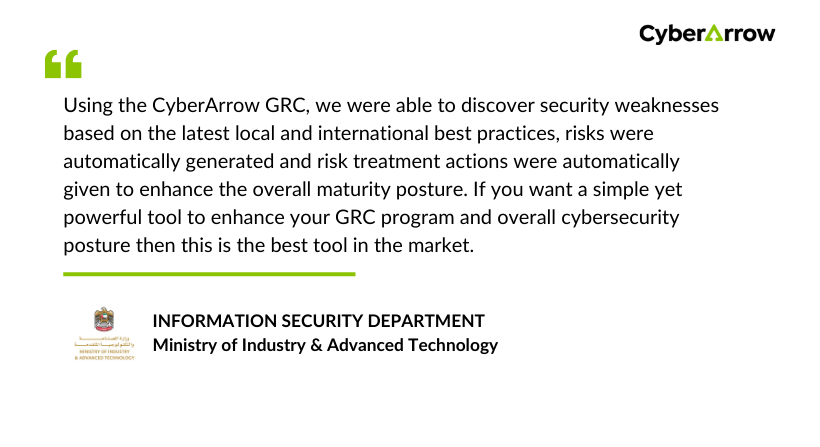
See what companies like MoIAT say about CyberArrow: