ISR V2 checklist: Implementation guide + free ISR V2 checklist template
Security is a major concern in the digital age, especially for government and public-sector organizations handling sensitive data. The Information Security Regulation Version 2 (ISR V2) is a cybersecurity standard set by the Dubai Electronic Security Center (DESC) to protect Dubai’s government digital infrastructure. Following the ISR V2 checklist can significantly affect how an organization safeguards data.
This guide will help you understand ISR V2 and how to implement it. It also includes a free checklist template to simplify your compliance journey.
What is ISR V2?
ISR V2 is a comprehensive cybersecurity framework created by the DESC to enhance digital security across government entities in Dubai. It provides a standardized approach for handling information security risks, focusing on data confidentiality, integrity, and availability. ISR V2 is mandatory for public sector organizations but recommended for private entities in critical infrastructure to ensure alignment with Dubai’s security standards.
The ISR V2 framework divides its guidelines into three main domains:
- Governance – Setting up security policies and managing risk.
- Operations – Implementing technical security controls.
- Assurance – Continuously validating and improving security measures.
Why do you need an ISR V2 checklist?
Implementing ISR V2 can seem overwhelming, with its various ISR V2 requirements across multiple domains. An ISR V2 checklist helps you track each step, ensuring you don’t miss any requirements. A checklist will also aid in regular audits, allowing you to revisit your compliance status and make necessary adjustments.
ISR V2 checklist: Essential components
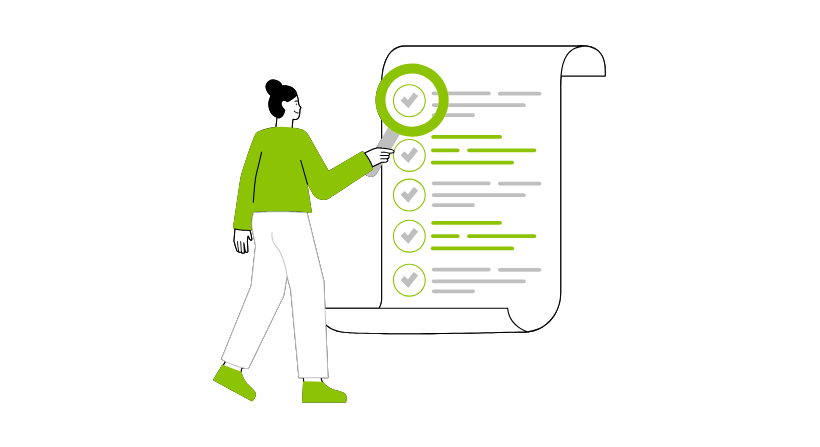
To streamline your compliance process, here’s a checklist that covers ISR V2’s main components. This checklist will help you map out each domain’s requirements and track your progress toward full compliance.
1. Governance and risk management
- Create clear policies for information security, roles, responsibilities, and procedures.
- Identify, analyze, and manage security risks. Where possible, use automated tools to make risk management continuous and proactive.
- Regularly monitor compliance with all security policies.
2. Asset management
- Maintain a complete inventory of all digital assets, including hardware, software, and data.
- Label assets based on their sensitivity and importance to ensure appropriate handling.
- Assign ownership for each asset to ensure accountability.
3. Human resources security
- Conduct background checks and ensure new employees understand security policies.
- Implement regular security training sessions to increase employee awareness of potential threats.
- Securely terminate access to systems for outgoing employees to prevent unauthorized access.
4. Physical and environmental security
- Restrict physical access to information processing facilities to authorized personnel only.
- Install fire protection, backup power, and other safeguards to protect equipment from environmental hazards.
5. Communications and operations management
- Ensure all sensitive data is transmitted securely using encryption.
- Establish processes for managing changes to systems and networks without affecting security.
- Implement tools to detect and prevent malware on devices and networks.
6. Access control
- Define and enforce user access policies, including identity verification and access control.
- Monitor and manage privileged access rights carefully to prevent unauthorized actions by high-access users.
- Regularly review user access rights to maintain security standards.
7. Information security incident management
- Establish a plan for detecting, reporting, and managing security incidents.
- Document all incidents thoroughly for review and improvement of response strategies.
- Conduct a review after each incident to identify areas for improvement.
8. Business continuity management
- Create a plan to continue operations during a security incident.
- Regularly test disaster recovery processes to ensure readiness.
- Ensure regular data backups are securely stored and can be restored when needed.
9. Compliance and audit
- Schedule regular internal audits to check for compliance with ISR V2.
- Keep a record of all audits and findings to track compliance progress.
- Update security policies and practices based on audit results and emerging threats.
10. Cloud security
- Develop specific policies for cloud usage, data handling, and access management within cloud platforms.
- Ensure cloud deployments comply with both ISR V2 and other relevant regulations, such as GDPR, depending on data sensitivity.
How to implement the ISR V2 checklist
Here is a step-by-step process for ISR V2 implementation:
- Assign responsibilities: Designate a compliance team with clear roles for each checklist item. This will streamline the implementation process.
- Conduct a baseline assessment: Conduct a thorough assessment to determine your current compliance level with ISR V2 requirements.
- Develop a timeline: Implementing ISR V2 takes time. Establish a realistic timeline, ensuring enough time for each checklist component.
- Use compliance software: Leveraging a compliance tool like CyberArrow can make ISR V2 compliance simpler by automating key tasks, such as risk assessment, incident tracking, and audit management.
- Perform regular audits: Schedule regular reviews to stay compliant and adjust your security practices as necessary.
Simplify ISR V2 compliance with CyberArrow
Achieving ISR V2 compliance doesn’t have to be overwhelming. CyberArrow GRC has several features that streamline the ISR V2 compliance process, helping organizations protect sensitive information and uphold digital security standards.
Here are some of CyberArrow’s key features:
- Real-time risk assessment: Continuously evaluates and identifies compliance risks, enabling proactive responses.
- Automated audits: Simplifies the audit process by automating audit tasks, helping you stay compliant without manual effort.
- Comprehensive reporting: Provides detailed reports for compliance status, helping organizations easily track and document their compliance journey.
- User-friendly dashboard: Offers a centralized, intuitive dashboard to manage all compliance activities in one place.
- Task automation: Reduces manual tasks related to ISR V2 compliance, saving time and resources for compliance teams.
- Alerts and notifications: Keeps teams informed with timely alerts on compliance issues, helping to maintain compliance status continuously.
Using CyberArrow, organizations can simplify their ISR V2 journey, focusing on maintaining a secure environment without getting bogged down in complex, manual compliance tasks.
See what DCD – Abu Dhabi has to say about CyberArrow GRC: