


ISO 27001 certification cost: Complete guide
Businesses increasingly turn to standards like ISO 27001 to safeguard their information assets. However, achieving and maintaining ISO 27001 certification entails various costs that vary significantly depending on multiple factors. This comprehensive guide provides information on ISO 27001 certification cost and explores insights and strategies to navigate this crucial aspect of information security management.
Whether you’re a small startup or a multinational corporation, understanding the financial implications of ISO 27001 certification is essential for making informed decisions and ensuring the resilience of your organization’s data security framework.
So, let’s get started!
Understanding ISO 27001 certification
ISO 27001 is an internationally recognized Information Security Management System (ISMS) standard. It provides a framework for organizations to establish, implement, maintain, and continually improve their information security processes and controls.
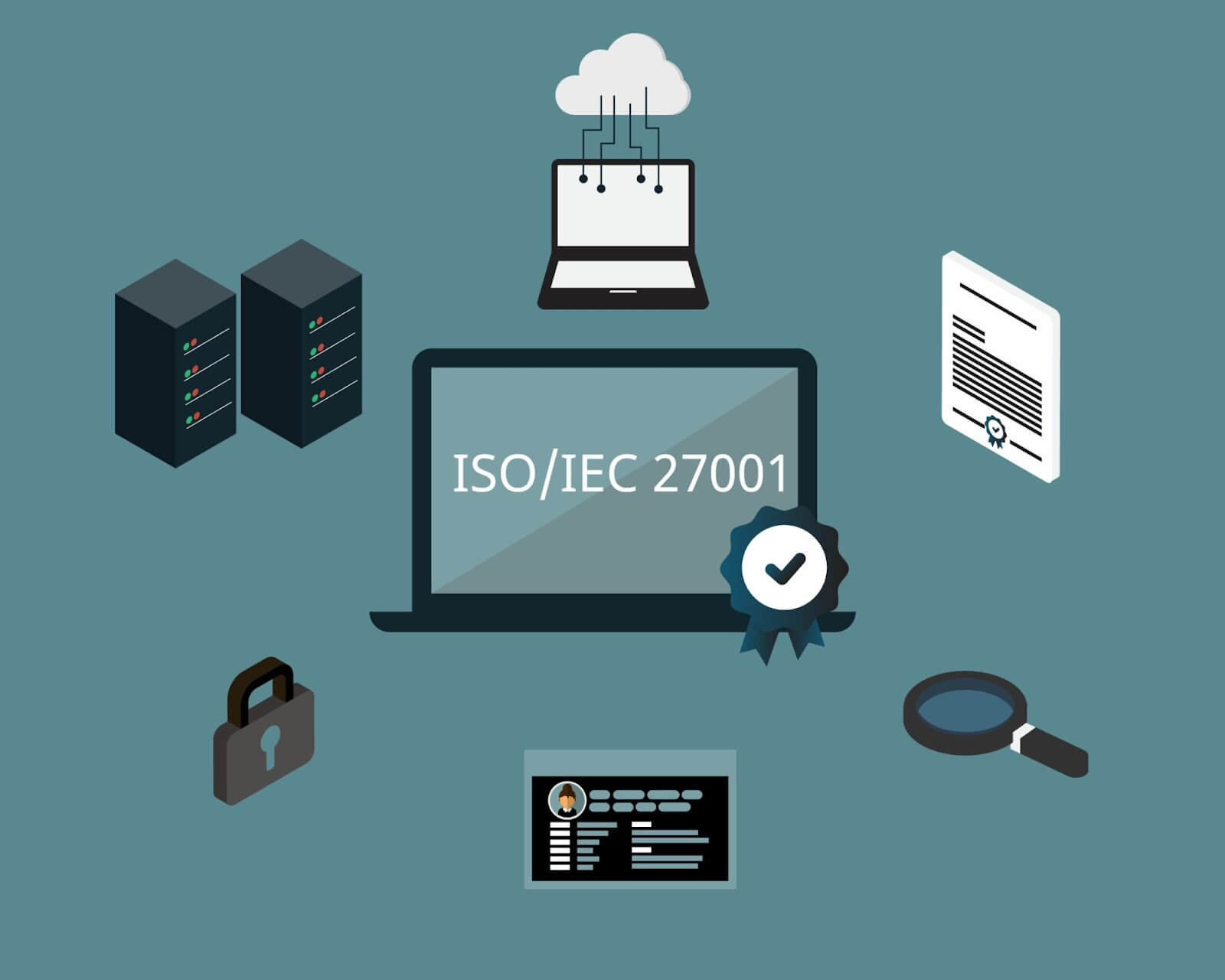
Achieving ISO 27001 certification offers numerous benefits to organizations, including:
- Enhanced information security: ISO 27001 helps organizations identify and mitigate information security risks, strengthening their defenses against cyber threats and data breaches.
- Compliance with legal and regulatory requirements: ISO 27001 certification demonstrates an organization’s commitment to information security best practices. This aids in compliance with various legal and regulatory data protection and privacy requirements.
- Improved business reputation: ISO 27001 certification enhances an organization’s reputation by assuring customers, partners, and stakeholders that their information is secure and protected.
- Competitive advantage: ISO 27001 certification gives organizations a competitive edge in the marketplace by demonstrating their commitment to information security.
Breakdown of ISO 27001 certification cost
When considering the costs associated with obtaining and maintaining ISO 27001 certification, it’s important to break down the expenses into two main categories: initial certification costs and ongoing costs.
1. Initial ISO 27001 certification cost
The initial costs involve several essential components:
- Gap analysis: The cost of conducting a comprehensive gap analysis can vary depending on the size and complexity of the organization. This may range from $5,000 to $25,000, including consultant fees and associated expenses.
- Documentation: Developing policies, procedures, and documentation to establish an ISMS can require significant time and resources. Costs for documentation preparation may range from $10,000 to $50,000, factoring in internal labor costs, consultant fees, and document management tools.
- Training: Training costs can vary based on the number of staff members requiring certification and the chosen training method (e.g., online courses and workshops). On average, organizations may allocate $500 to $2,000 per staff member for training expenses, totaling $5,000 to $20,000 for a mid-sized organization.
2. Ongoing ISO 27001 certification cost
Ongoing costs are incurred after achieving initial certification and encompass activities necessary to maintain compliance and uphold the integrity of the ISMS over time:
- Maintenance of ISMS: The ongoing maintenance cost includes updates to policies and procedures, software licenses for security tools, and personnel costs for managing the ISMS. Depending on the organization’s size and complexity, annual maintenance costs may range from $10,000 to $50,000 or more.
- Surveillance audits: External audit fees for surveillance audits typically range from $3,000 to $10,000 per audit, depending on the scope and duration. Internal audit costs may vary based on the resources allocated to conduct these assessments.
- Recertification: Recertification audits are conducted every few years and cost similar to initial certification audits. On average, organizations can expect to spend $15,000 to $20,000 on recertification, inclusive of audit fees and associated expenses.
Quick link: ISO 27001 Vs. SOC 2
Factors affecting ISO 27001 certification cost
Achieving ISO 27001 certification involves various factors that can influence the overall cost of implementation. Understanding these factors is crucial for organizations to anticipate expenses accurately and allocate resources effectively.
- Scope of implementation: The scope of implementation, covering multiple business units or systems, impacts costs.
- Company size and complexity: Larger or more complex organizations typically face higher implementation costs due to scale and diverse operations.
- Industry sector: Highly regulated sectors, like finance or healthcare, may incur higher costs to meet specific compliance requirements.
- Level of preparedness: Organizations with robust security measures may find it easier and less costly to align with ISO 27001 standards.
Cost-saving strategies for ISO 27001
Implementing ISO 27001 certification can be resource-intensive, but there are several strategies organizations can employ to manage costs effectively:
Learn more about ISO 27001 with our ISO 27001 compliance hub.
1. In-house implementation vs. outsourcing
Organizations can choose between in-house implementation or outsourcing to external consultants. In-house implementation allows for greater control over the process and can be more cost-effective if the organization has the necessary expertise.
On the other hand, outsourcing can expedite the implementation process and provide access to specialized knowledge, but it may come with higher consultancy fees. Assessing the organization’s capabilities and needs can help determine the most cost-efficient approach.
2. Utilizing existing resources
Leveraging existing resources, such as internal expertise and infrastructure, can significantly reduce implementation costs. Organizations can assign internal staff members to lead the implementation project, minimizing external consultancy expenses. Additionally, repurposing existing security tools and technologies can help streamline the implementation process and reduce the need for additional investments.
3. Leveraging technology
Technology plays a vital role in facilitating ISO 27001 implementation and compliance. Investing in automated tools and software solutions can streamline documentation, risk assessments, and compliance monitoring, reducing manual efforts and associated costs. Furthermore, cloud-based solutions offer scalability and flexibility, allowing organizations to adapt to changing security requirements without significant capital expenditure.
Need help with ISO 27001:2022 certification? CyberArrow can help. CyberArrow is an automation platform that can automate implementing and certifying 50+ security standards, including ISO 27001, PCI DSS, and more. It helps you get certified against leading standards via a zero-touch approach.
See what our clients have to say about CyberArrow GRC:
Download your free ISO 27001 checklist.
FAQs
Is ISO 27001 expensive?
Yes, ISO 27001 can be expensive. While achieving ISO 27001 certification may involve upfront expenses for gap analysis, documentation, training, and ongoing maintenance, the investment is often considered worthwhile for its long-term benefits in improved information security, regulatory compliance, and enhanced business reputation.
How much does ISO certification cost?
The cost of ISO 27001 certification can vary widely depending on factors such as the organization’s size, industry sector, existing infrastructure, and level of preparedness. It can range between $10000 and $50000.
Is the ISO 27001 certification worth the money?
The value of ISO 27001 certification extends beyond the financial investment required. While achieving certification involves upfront costs and ongoing maintenance expenses, the benefits outweigh many organizations’ expenditures. ISO 27001 certification demonstrates a commitment to information security best practices, enhances organizational resilience against cyber threats, improves regulatory compliance, and enhances customer confidence.
