Best internal audit software and how to choose the right one
Internal audits are essential for ensuring that internal controls, compliance procedures, and risk management processes work effectively. However, traditional cyber security audits often rely on spreadsheets and manual documentation, making them slow, error-prone, and difficult to track.
Internal audit software helps overcome these challenges by automating processes, centralizing information, and ensuring consistent reporting. These platforms help automate audit workflows, collect evidence, generate reports, and maintain continuous compliance.
In this guide, we’ll explore what internal audit software does, highlight some of the best tools available, and share practical tips to help you choose the right one for your organization.
7 Best internal audit software (2025)
Choosing the right audit software can transform how your organization manages compliance, evidence, and reporting. Below are some of the best internal audit software that simplify audit processes, support regulatory compliance, and enhance overall control efficiency.
Quick link: Internal control in auditing
1. CyberArrow GRC
CyberArrow is a comprehensive compliance automation and GRC platform that simplifies how organizations prepare for and manage audits. It helps teams eliminate manual documentation, streamline evidence collection, and monitor compliance readiness across frameworks such as ISO 27001, SOC 2, and GDPR. The platform also allows seamless collaboration between internal teams and external auditors through a single, centralized system.
Key features
- Automated evidence collection and compliance tracking.
- Real-time dashboards to monitor audit progress and KPIs.
- Centralized risk and control management.
- Seamless collaboration through built-in chat and task management.
- Audit-ready reporting for internal and external reviews.
2. AuditBoard
AuditBoard offers a unified platform for audit, risk, and compliance management. It’s designed for large enterprises that need to manage SOX compliance, internal controls, and risk assessments in one place.
Key features
- End-to-end automation for the audit lifecycle.
- Integrated workflows for SOX audit and internal controls management.
- Real-time reporting and issue tracking.
- Cloud-based collaboration for distributed teams.
3. LogicManager
LogicManager offers an integrated approach to GRC, connecting internal audit activities with broader enterprise risk and policy management. The platform is built for organizations that need a configurable and modular solution capable of scaling with their compliance programs.
Key features
- Centralized control libraries and audit templates.
- Strong risk and policy management integration.
- Role-based dashboards for audit oversight.
- Workflow automation for recurring audit tasks.
4. Resolver
Resolver provides a robust audit and risk management platform focused on connecting operational risks with internal audit activities. It helps auditors prioritize high-impact risks, track remediation actions, and align findings with overall business objectives.
Key features
- Real-time tracking of audit issues and resolutions.
- Risk and control mapping to audit findings.
- Integrated incident management module.
- Flexible reporting and analytics capabilities.
5. MetricStream
MetricStream supports complex, enterprise-level audit environments through scalable workflows and data-driven insights. It supports a broad range of regulatory frameworks and provides advanced tools for managing internal, operational, and IT audits across departments. It’s well-suited for organizations operating across multiple regulatory jurisdictions.
Key features
- Enterprise-wide audit planning and scheduling.
- Risk-based audit execution and reporting.
- Advanced analytics and visualization tools.
- Integration with enterprise applications and ERM systems.
6. Onspring
Onspring is a flexible audit and compliance management platform that stands out for its ease of customization. It allows users to tailor workflows, dashboards, and reporting structures according to their internal audit methodology, making it suitable for organizations of all sizes.
Key features
- Drag-and-drop workflow customization.
- Comprehensive reporting and data visualization.
- Audit trail tracking and automated notifications.
- Integration with other GRC and business systems.
7. DataSnipper
DataSnipper streamlines audit documentation and review processes, helping auditors save significant time when analyzing large volumes of financial data. It automates repetitive tasks such as matching documents, extracting key figures, and cross-referencing information. DataSnipper allows audit teams to focus on insights rather than manual work.
Key features
- Automates document matching and cross-referencing.
- Extracts and summarizes key data from large datasets.
- Enables digital annotation and audit evidence tagging.
- Integrates with Excel for seamless audit workflows.
How to choose the right internal audit software
The right software depends on your organization’s size, regulatory obligations, and audit maturity. Consider the following factors before making a decision:
- Framework support: Choose software that aligns with your compliance frameworks and supports built-in mappings for faster implementation. This ensures that your internal audit processes stay aligned with your industry’s regulatory expectations.
- Ease of use: Look for platforms with a clean, intuitive interface that requires minimal training. This helps increase adoption across departments and enables users to perform audits, upload evidence, and generate reports without technical barriers.
- Automation capabilities: The ideal tool should automate evidence collection, control tracking, and report generation, allowing teams to focus on strategic oversight rather than repetitive administrative tasks. Automation also helps maintain ongoing audit readiness throughout the year.
- Integration with existing systems: Audit software should seamlessly integrate with your existing tools and data sources, such as cloud storage, ERP systems, ticketing tools, or compliance databases. This connectivity eliminates duplicate work and ensures that all audit-related data flows into one centralized location.
- Scalability and flexibility: As your organization grows, your compliance requirements will evolve too. Choose a platform that can scale to handle multiple audits, frameworks, and users without losing performance. Flexible configuration options, such as customizable workflows and dashboards, are also important for adapting to unique audit processes.
- Reporting and analytics: Your software should offer real-time dashboards, trend analysis, and customizable reports to provide actionable insights into control effectiveness, risk exposure, and audit outcomes. These analytics not only support management decisions but also make it easier to demonstrate compliance to external auditors and regulators.
- Vendor reliability and support: Ensure your chosen provider offers strong technical support, regular updates, and customer success assistance. A dependable vendor with responsive support can significantly reduce downtime and ensure smoother adoption across the organization.
Streamline audit management with the best internal audit software
Managing audits manually can slow down compliance progress and increase the risk of missed findings. CyberArrow simplifies the process through an integrated, automated platform that supports audit, risk, and compliance functions all in one place.
With CyberArrow GRC, you can:
- Automate evidence collection and compliance tracking.
- Conduct risk assessments aligned with your control frameworks.
- Generate reports for auditors and management in minutes.
- Monitor KPIs and audit readiness in real time.
- Collaborate seamlessly across teams with built-in chat and task tracking.
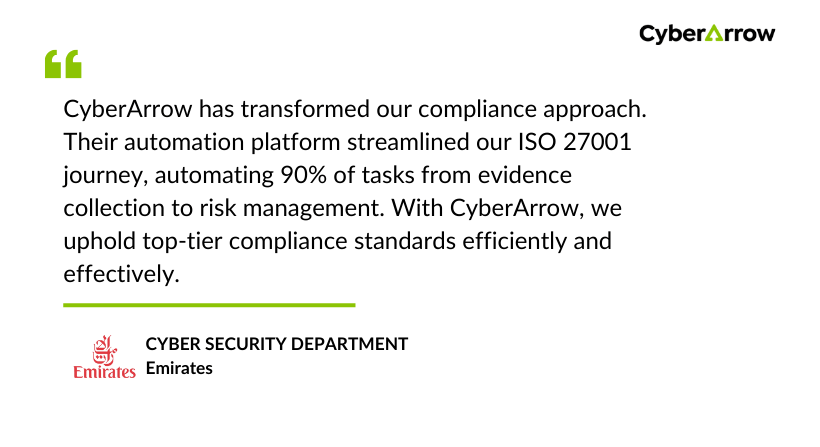
See what our clients have to say about CyberArrow GRC: