


The most dangerous computer viruses in history
Computer viruses have been around for decades, causing billions of dollars in damage across the world. Some of these viruses are so harmful, they can destroy data, steal secrets, and even shut down entire systems.
Understanding these dangerous computer viruses helps us learn how cyber attackers think and how we can protect ourselves and our businesses.
In this blog, you’ll learn:
- What a computer virus is.
- The most dangerous computer viruses in history.
- The lessons we can learn from each attack.
- How the CyberArrow Awareness Platform helps protect your business by training your employees.
Let’s explore these threats and how to stay ahead of them.
- What is a computer virus?
- 1. ILOVEYOU virus (2000)
- 2. Mydoom (2004)
- 3. Melissa Virus (1999)
- 4. WannaCry ransomware (2017)
- 5. Code Red (2001)
- 6. Stuxnet (2010)
- 7. Zeus Trojan (2007)
- 8. Petya and NotPetya (2016–2017)
- Why are these viruses so dangerous?
- How to protect your organization from viruses
- How the CyberArrow Awareness Platform helps
- Final thoughts: Learn from the past to protect the future
What is a computer virus?
A computer virus is software that spreads from one computer to another. Just like a real virus, it can:
- Multiply on its own.
- Damage files and systems.
- Steal data.
- Allow hackers to take control.
Most viruses enter through:
- Phishing emails.
- Infected downloads.
- Fake software.
- Weak passwords or unsafe networks.
The worst part? Many of the most dangerous computer viruses could have been stopped by better cyber security training.
1. ILOVEYOU virus (2000)
This virus started in the Philippines and spread fast around the world. It came as an email with the subject “I LOVE YOU” and an attachment called “LOVE-LETTER-FOR-YOU.txt.vbs.”
When people opened it, the virus:
- Overwrote files.
- Sent copies of itself to everyone in the victim’s email list.
- Caused about $10 billion in damage globally.
Lesson:
People are more likely to click on messages that sound personal. Training your team to stop and think before opening email attachments is key.
2. Mydoom (2004)
Mydoom spread faster than any virus before it. It used email and peer-to-peer file sharing to infect computers. Once inside, it created a “backdoor” for hackers.
It was used to:
- Launch powerful DDoS attacks.
- Steal email addresses.
- Cause more than $38 billion in damage.
Lesson:
Hackers often use backdoors to control infected computers. Blocking unknown programs and keeping systems updated can stop this.
3. Melissa Virus (1999)
Melissa was an early email virus that spread through Microsoft Word documents. It tricked users into opening a file that seemed safe.
Once opened, it:
- Sent itself to 50 contacts in the victim’s email.
- Overloaded email servers.
- Shut down big companies and government systems.
Lesson:
Employees should never open unexpected documents, even from someone they know. Awareness training helps them understand what to look for.
4. WannaCry ransomware (2017)
WannaCry was a global cyberattack that affected over 200,000 computers in 150 countries. It locked users out of their files and demanded money to restore them.
It spread using a Windows vulnerability known as EternalBlue.
Major victims included:
- The UK’s National Health Service.
- Telefonica (Spain).
- FedEx.
Estimated damage: $4 billion+
Lesson:
Always update your software and train your team to never click on unknown links or download shady files.
5. Code Red (2001)
This virus targeted Microsoft IIS web servers. It didn’t need users to click anything—it spread on its own.
What it did:
- Defaced websites (including the White House site).
- Created a backdoor in infected systems.
- Slowed down web traffic.
Over 350,000 computers were infected in hours.
Lesson:
Not all viruses need human action to spread. That’s why regular software patching and firewall protection are critical.
6. Stuxnet (2010)
Stuxnet was different. It was designed to attack industrial machines used in nuclear plants. It was first discovered in Iran and believed to be a government-made cyberweapon.
Stuxnet:
- Spread through USB drives.
- Targeted Siemens control systems.
- Damaged real-world infrastructure.
It marked the beginning of cyber warfare.
Lesson:
Cyber threats are not just about stolen data, they can damage physical systems. Even USBs need to be handled with caution.
7. Zeus Trojan (2007)
Zeus was made to steal banking information. It spread through phishing emails and fake websites.
It allowed attackers to:
- Log keystrokes.
- Access online banking.
- Steal millions from individuals and businesses.
Zeus affected thousands of companies across the world.
Lesson:
Teaching employees how to spot fake websites and phishing emails can stop threats like Zeus.
8. Petya and NotPetya (2016–2017)
Petya was a ransomware that attacked the boot process of Windows computers. NotPetya, a later version, was even more dangerous.
NotPetya:
- Looked like ransomware, but destroyed files permanently.
- Hit major companies like Maersk, Merck, and FedEx.
- Caused over $10 billion in global damages.
Lesson:
Even companies with strong IT systems can fall if employees aren’t trained to recognize infected emails or downloads.
Why are these viruses so dangerous?
These dangerous computer viruses didn’t just affect one person or one system. They:
- Spread fast.
- Used social engineering tricks.
- Targeted businesses, governments, and infrastructure.
- Cost companies billions.
- Could have been prevented with better awareness.
And here’s the truth: People are the first line of defense.
How to protect your organization from viruses
While antivirus software and firewalls help, they’re not enough. Most viruses enter through human error. That’s why awareness training is one of the most important tools in your cyber security toolkit.
How the CyberArrow Awareness Platform helps
The CyberArrow Awareness Platform helps companies train their employees to fight cyber threats like phishing, malware, and ransomware.
Here’s how it works:
Easy and automated training
- Simple, engaging lessons on cyber hygiene.
- Covers real threats like phishing, ransomware, and social engineering.
- Delivered regularly so employees stay updated.
Simulated attacks
- Send fake phishing emails to test your team.
- Find out who’s at risk.
- Give extra training to those who need it.
Smart reports
- Get dashboards showing your organization’s risk level.
- See training progress and simulation results.
- Track improvements over time.
Build a human firewall
With CyberArrow, your people become part of your defense system.
They learn how to:
- Spot suspicious emails and links.
- Avoid common traps.
- Report threats before damage is done.
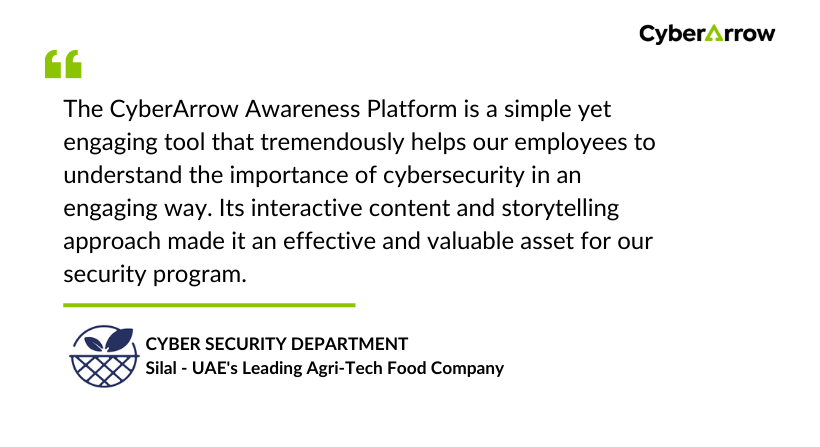
Read how CyberArrow awareness platform increased security awareness among Silal’s employees.
See what Silal has to say about CyberArrow Awareness Platform:
Final thoughts: Learn from the past to protect the future
The world’s most dangerous computer viruses caused serious harm. But most of them had one thing in common: They tricked people.
This means your people are the target, but they can also be the solution.
Don’t wait for a virus to hit your business. Protect it now with smart tools and smarter people.
