What is hacktivism? How to stay safe online
Have you ever heard of hackers using their skills for political or social causes instead of stealing money? That’s called hacktivism. It’s a mix of “hacking” and “activism.”
Hacktivists use technology to make a statement, protest, or push for change. While it might sound like a noble idea, hacktivism can cause harm to organizations, governments, and even individuals.
In this article, we’ll explore what hacktivism is, why it matters, and how you can stay safe online. By understanding the risks and taking precautions, you can protect your data and avoid becoming a target. Let’s dive in!
What is hacktivism?
Hacktivism is the act of hacking or using technology to support a political, social, or ideological cause. Hacktivists often target governments, corporations, or organizations they see as corrupt or unjust. Their goal is to expose, disrupt, or embarrass their targets.
Hacktivism can involve:
- Defacing websites to share a message.
- Launching Distributed Denial of Service (DDoS) attacks to crash websites.
- Leaking sensitive data to the public.
- Taking over social media accounts to spread a cause.
While some people see hacktivism as a form of digital protest, others view it as a cybercrime. Regardless of the perspective, its impact can be significant.
Examples of hacktivism
- Anonymous: Anonymous is one of the most famous hacktivist groups. They’ve targeted organizations like the Church of Scientology, governments, and corporations to fight censorship and corruption.
- WikiLeaks: While not a hacktivist group itself, WikiLeaks has been involved in publishing leaked documents from hacktivists. These documents often expose government or corporate misconduct.
- Operation payback: In 2010, hacktivists launched DDoS attacks on companies like PayPal and Mastercard. The attacks were in retaliation for these companies blocking donations to WikiLeaks.
- Sony hack (2014): Though often labeled as a cyberattack, some aspects of the Sony Hack were seen as hacktivism. The attackers leaked sensitive data from Sony to protest the release of a controversial movie.
Quick link: What is cloud encryption?
Why is hacktivism a concern?
Hacktivism raises important questions about the balance between protest and cyber security.
Here’s why it’s a concern:
- Privacy violations: Hacktivists often leak private information, such as emails or financial data. This can harm individuals and organizations.
- Financial loss: Cyberattacks by hacktivists can disrupt businesses, leading to financial losses. For example, a DDoS attack can shut down an online store, preventing sales.
- Public distrust: When sensitive information is leaked, it can damage public trust in institutions like governments or corporations.
- Unintended harm: Hacktivism can sometimes harm innocent individuals. For instance, when data is leaked, personal details of employees or customers might also be exposed.
How to stay safe online
Staying safe online is crucial, especially in a world where hacktivism is becoming more common.
Here are steps you can take to protect yourself:
1. Use strong passwords
Use unique passwords for each account, combining letters, numbers, and special characters.
2. Enable Two-Factor Authentication (2FA)
2FA adds an extra layer of security. Even if someone steals your password, they’ll need a second code to access your account.
3. Be careful with public Wi-Fi
Avoid accessing sensitive accounts, like online banking, over public Wi-Fi. If you must, use a Virtual Private Network (VPN) to encrypt your connection.
4. Keep software updated
Hackers often exploit outdated software. Regularly update your devices to patch security vulnerabilities.
5. Be aware of phishing scams
Phishing emails or messages trick you into revealing personal information. Never click on suspicious links or download unknown attachments.
6. Monitor your accounts
Regularly check your accounts for unusual activity. If something doesn’t look right, change your password immediately.
7. Educate yourself
Learn about the latest cyber threats. The more you know, the better you can protect yourself.
Quick link: What is open proxy?
Best practices for organizations
Organizations are often prime targets for hacktivists. Here’s how they can reduce their risk:
- Implement firewalls and Intrusion Detection Systems (IDS): These tools help block unauthorized access and monitor suspicious activities.
- Conduct regular security audits: Audits identify vulnerabilities in your system. Fixing these issues reduces the risk of an attack.
- Train employees on cyber security : Employees are often the weakest link in cyber security. Training them to identify threats can prevent incidents.
- Back up data: Regular backups ensure that you can recover your data if it’s compromised.
- Adopt compliance tools: Meeting cyber security standards like ISO 27001 or GDPR ensures your organization is following best practices.
Quick link: What is Zero Trust Network Access (ZTNA)?
How CyberArrow Awareness platform helps
Staying informed is one of the best ways to protect against hacktivism. The CyberArrow Awareness Platform is designed to help organizations build a culture of cyber security.
Here’s how CyberArrow Awareness Platform works:
Features:
- Interactive training modules: Educate employees on recognizing and responding to cyber threats.
- Real-time simulations: Test your team’s readiness with simulated phishing attacks.
- Customized content: Tailor training to your organization’s specific risks and needs.
Use cases:
- For employees: Empower your team to spot and avoid phishing scams, protecting sensitive data.
- For organizations: Ensure compliance with cyber security regulations while improving overall security posture.
- For IT teams: Simplify training and tracking, making it easy to identify weak spots and improve.
- For management: Gain insights into organizational readiness with detailed reports and metrics.
Conclusion
Hacktivism is a powerful yet controversial form of protest in the digital age. While its intentions may sometimes be noble, the risks it poses to privacy, finances, and trust are significant. Whether you’re an individual or an organization, staying safe online requires vigilance and proactive measures.
The CyberArrow Awareness Platform makes it easy to educate your team, strengthen your defenses, and stay compliant with industry standards.
Read how CyberArrow awareness platform increased security awareness among Silal’s employees.
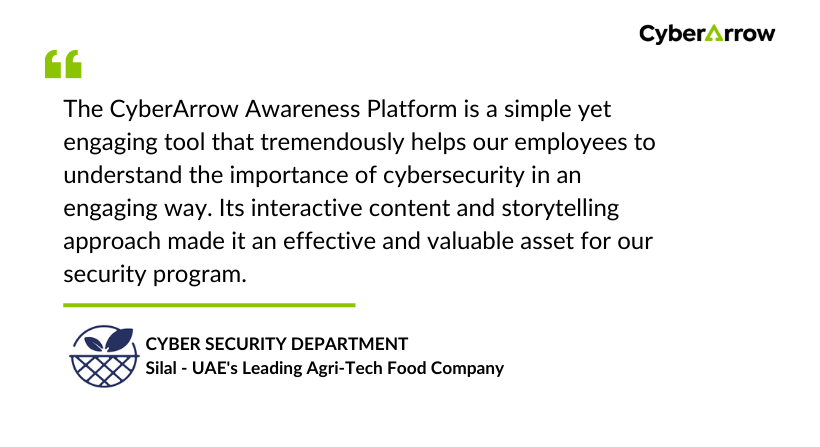
See what Silal has to say about CyberArrow: