


The ultimate guide to IT compliance: Everything you need to know
Organizations that store and process sensitive customer data must comply with strict regulations for secure exchange, processing, and storage. While IT compliance can be challenging for many organizations, it provides numerous benefits.
Would you like to avoid fines and penalties, protect your company’s reputation, and gain insights to enhance operational efficiency? If so, this article is for you.
Let’s talk about IT compliance, why it can be challenging to implement, and how to simplify compliance processes.
What is IT compliance?

IT compliance ensures that an organization’s information technology practices comply with established laws, regulations, and industry standards. These rules are designed to protect sensitive data, ensure privacy, and maintain the integrity and security of information systems. Organizations must follow these guidelines to avoid legal issues and to build trust with customers and stakeholders.
Key components of IT compliance
These components form the foundation of IT compliance, helping organizations protect their data and systems while meeting regulatory requirements.
- Data protection and privacy: Protecting personal and sensitive information from unauthorized access and breaches. This includes encryption, access controls, and data masking.
- Access controls and identity management: Ensuring only authorized individuals have access to specific data and systems. This involves using strong passwords, multi-factor authentication, and regular access reviews.
- Incident response and disaster recovery: Preparing for and effectively responding to data breaches or system failures. This includes having a detailed incident response plan and regular backup procedures to restore data quickly.
- Regular audits and assessments: Conducting periodic reviews and evaluations of IT systems and practices to ensure ongoing compliance. This can involve both internal audits and third-party assessments to identify and address any weaknesses or gaps.
Common IT compliance regulations & standards
Organizations must comply with various IT regulations and standards to protect sensitive data and maintain security. Here are some of the most common ones:
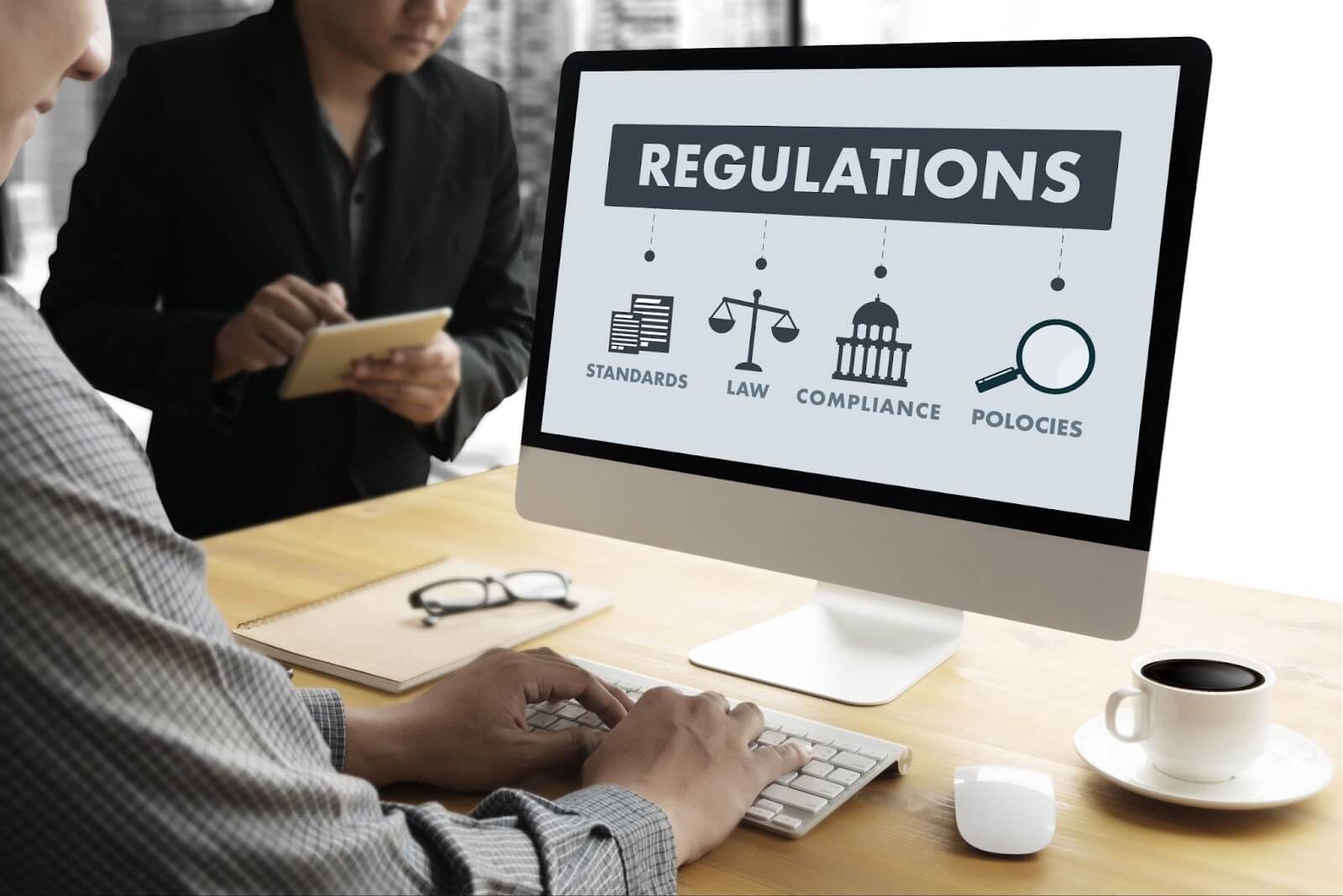
- General Data Protection Regulation (GDPR): A European Union regulation that governs data protection and privacy for all individuals within the EU. It focuses on giving individuals control over their personal data and simplifying the regulatory environment for international business.
- Health Insurance Portability and Accountability Act (HIPAA): A US regulation that sets standards for protecting sensitive patient health information. It applies to healthcare providers, insurance companies, and any entity that handles medical data.
- Sarbanes-Oxley Act (SOX): A US law that aims to protect investors from corporate fraudulent financial reporting. It requires strict auditing and financial regulations to improve the accuracy and reliability of corporate disclosures.
- Payment Card Industry Data Security Standard (PCI DSS): A set of security standards to ensure companies accept, handle, store, or transfer credit card information and maintain a secure environment.
- International Organization for Standardization (ISO) 27001: An international standard for managing information security. It provides a framework to create, implement, maintain, and continually improve an information security management system (ISMS).
How to implement IT compliance in your organization
Implementing IT compliance in your organization helps ensure all practices align with relevant laws, regulations, and industry standards.

Here’s a step-by-step guide to help you get started:
1. Understand the relevant regulations
- Identify the specific regulations and standards that apply to your organization based on your industry, location, and the data you handle (e.g., GDPR, HIPAA, PCI DSS).
- Study these regulations to understand their requirements and implications for your IT systems and processes.
2. Conduct a compliance audit
- Perform an initial audit to assess your current level of compliance.
- Identify gaps and areas that need improvement to meet regulatory requirements.
- Use the audit results to create a baseline for your compliance efforts.
3. Develop a compliance strategy
- Create a comprehensive compliance plan that outlines the steps needed to achieve and maintain compliance.
- Include timelines, resource allocation, and responsibilities for each task.
- Ensure the strategy aligns with your organization’s overall business goals and objectives.
4. Implement policies and procedures
- Develop and document clear policies and procedures for handling data, managing access, responding to incidents, and conducting regular audits.
- Ensure these policies comply with the identified regulations and standards.
- Communicate these policies to all employees and stakeholders.
5. Train employees
- Provide regular training sessions to ensure all employees understand the importance of IT compliance and their role in maintaining it.
- Include training on data protection, access controls, and incident response procedures.
- Keep training materials up-to-date with the latest regulatory changes.
6. Use compliance tools and technologies
- Implement software and tools designed to help manage and monitor compliance, such as data encryption, access management systems, and audit tools.
- Use tools like CyberArrow to automate compliance processes, track compliance status, and generate reports.
7. Conduct regular audits and assessments
- Schedule regular internal and external audits to ensure ongoing compliance.
- Use these audits to identify new risks, gaps, and areas for improvement.
- Keep detailed records of audit findings and the steps to address any issues.
8. Monitor and update compliance efforts
- Continuously monitor your IT systems and processes for compliance.
- Stay informed about changes in regulations and update your compliance strategy accordingly.
- Review and update your policies, procedures, and training programs to reflect new requirements and best practices.
Automate IT compliance with CyberArrow
Implementing IT compliance can be challenging for organizations due to the complexity of regulatory requirements, continuous monitoring, and the resources required to maintain compliance. Many struggle with manual processes, lack visibility into compliance status, and have difficulty keeping up with evolving regulations.
However, CyberArrow offers a solution with its GRC (Governance, Risk, and Compliance) and compliance automation capabilities. By automating compliance workflows, CyberArrow
- Simplifies compliance with IT regulations.
- Reduces manual effort.
- Provides real-time insights into compliance status.
Its comprehensive platform enables organizations to streamline audits, manage risks effectively, and ensure continuous compliance with minimal overhead.
Ready to achieve IT compliance with CyberArrow? Schedule a free consultation call today!
IT compliance FAQs
What are the IT compliance standards?
IT compliance standards encompass regulations and frameworks that organizations must follow to ensure the security and confidentiality of their IT systems and data. Examples include
- GDPR for personal data protection in the EU
- HIPAA for Healthcare Information Security in the US
- PCI DSS for credit card data protection
- SOX for financial transparency
- ISO/IEC 27001 for international information security management systems
Who needs IT compliance?
Any organization that handles sensitive data, such as personal information or financial records, needs IT compliance. This includes businesses in sectors like healthcare, finance, e-commerce, and any organization that stores or processes customer data.
What is IT compliance checklist?
An IT compliance checklist is a structured list of tasks and requirements organizations use to ensure they meet IT compliance standards and regulations. It includes data protection measures, access controls, incident response procedures, and regular audit schedules. Organizations use these checklists to track their compliance efforts and ensure they meet all requirements.
