


Third-party risk management (TPRM): A complete guide
Organizations today rely on a vast network of third parties. According to Gartner, around 60% of organizations work with over 1,000 third parties. This reliance introduces significant risks, including operational disruptions and increased cyber threats. Organizations must adopt third-party risk management (TPRM) to protect against these risks and ensure business continuity.
66% of ERM executives reported having at least one third-party risk in their top ten risks. ~ Gartner
Onboarding vendors without a proper TPRM strategy can expose organizations to cyber threats. If you haven’t developed a TPRM strategy yet, this guide is for you.
Let’s get started!
What is third-party risk management (TPRM)?
Third-party risk management (TPRM) is a process for identifying, assessing, and mitigating risks associated with third-party vendors and service providers. As businesses increasingly rely on external parties for various operations, potential risks, such as operational disruptions, compliance breaches, and cyber security threats, have grown significantly.
TPRM involves managing these risks throughout the entire lifecycle of the third-party relationship. Implementing TPRM helps organizations ensure business continuity, maintain regulatory compliance, and protect their reputation and assets from potential third-party failures or breaches.
Types of third-party risks
You may face various risks while engaging with a third party. These risks include:

- Operational risks: Operational risks occur when business operations are disrupted due to a third party’s failure or inefficiency. These risks can occur due to supply chain interruptions, service delivery issues, or logistical shortcomings.
- Financial risks: Financial risks occur if a third party experiences financial instability, which could impact its ability to fulfill contractual obligations. These include risks related to bankruptcy, liquidity issues, or financial mismanagement.
- Compliance risks: Compliance risks occur when third parties fail to comply with relevant laws, regulations, or industry standards. This can lead to legal penalties, fines, or reputational damage for the engaging organization. Examples include violations of data protection laws, environmental regulations, or labor laws.
- Cyber security risks: These risks occur when a third party exposes you to cyberattacks, data breaches, or other security incidents. This includes risks from inadequate data protection measures, weak cyber security protocols, or vulnerabilities in third-party systems.
Challenges in traditional TPRM processes
Organizations face several challenges with traditional third-party risk management (TPRM) approaches, which hinder effective risk mitigation and management.
Below are some of the challenges associated with traditional TPRM processes:
1. Static point-in-time assessments
Traditional TPRM assessments often rely on manual, point-in-time evaluations, which are resource-intensive and yield limited risk management value. These assessments only focus on compliance checkboxes instead of providing continuous risk management insights. Additionally, their static nature leads to stale and underutilized data.
2. Emerging threats from the nth tier ecosystem
The ever-expanding Nth Tier ecosystem of suppliers and vendors introduces unexpected threats to organizations. Managing these emerging threats becomes challenging without proper assessment tools and risk rating mechanisms. Relying on disparate data sources without adequate correlation and analysis can result in overlooking or missing critical risks.
3. Fragmented technology landscape
Many organizations need a centralized view of their integrated technology and data ecosystem, making managing third-party relationships and risks challenging. Organizations struggle to address the complexities of their growing vendor network without a cohesive technology and third-party risk assessment workflow.
4. Talent and knowledge silos
Domain knowledge and risk management expertise are often siloed within organizations, leading to a lack of cross-functional collaboration. Additionally, talent and skill sets are predominantly compliance-focused. While this may be useful, it may not adequately address proactive risk management needs.
5. Supply chain blind spots
Limited visibility into relationships beyond direct third parties results in supply chain blind spots for many organizations. Understanding sub-service dependencies and risks, including geographic and supplier-specific concentrations, remains challenging. Similarly, inadequate insight into software composition poses risks within the software supply chain.
How to build an effective TPRM strategy to overcome challenges?
Here’s how organizations can build an effective TPRM strategy to mitigate risks and enhance resilience:
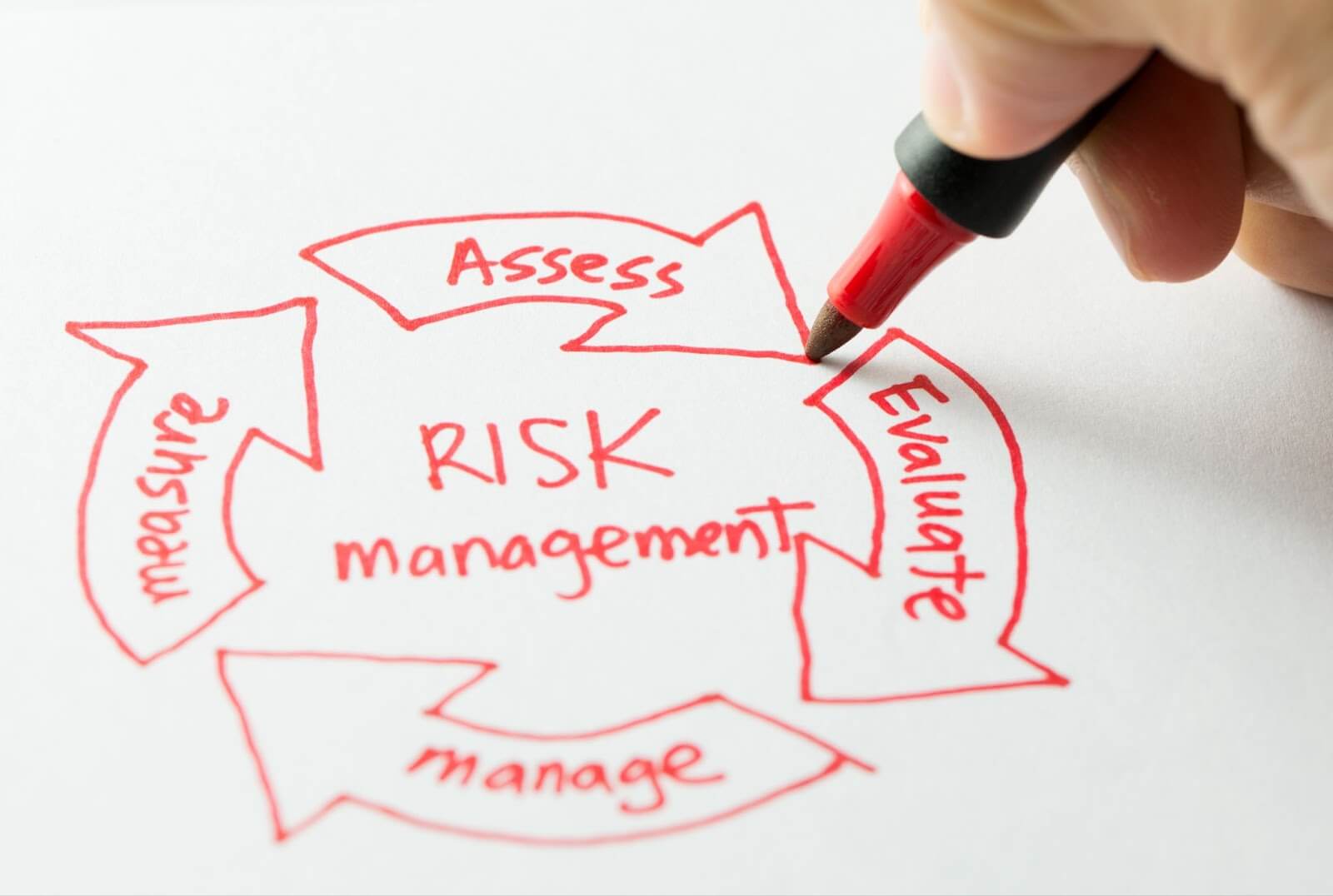
- Adopt continuous risk management: Shift from static, point-in-time assessments to continuous risk management practices. Implement real-time monitoring and assessment mechanisms to identify and address emerging risks promptly.
- Enhance data Integration and analysis: Centralize technology and risk assessment workflows to view the extended ecosystem comprehensively. Integrate disparate data sources and leverage advanced analytics to correlate information and derive actionable insights.
- Enable cross-functional collaboration: Break down communication silos and promote cross-functional collaboration within the organization. Encourage knowledge sharing and collaboration among risk management, compliance, IT, procurement, and other relevant departments.
- Invest in talent development: Equip teams with the necessary skills and expertise to identify and manage third-party risks. Provide training and development opportunities to enhance risk management capabilities and enable a risk mitigation culture.
- Strengthen supply chain visibility: Improve visibility into the supply chain by mapping out dependencies and relationships beyond direct third parties. Implement tools and processes to monitor sub-service dependencies, geographic concentrations, and supplier-specific risks.
- Modernize access management practices: Upgrade access management systems to ensure secure and controlled third-party access to systems and networks. Implement modern authentication and authorization mechanisms to mitigate the risk of unauthorized access.
- Leverage technology solutions: Deploy advanced technology solutions to simplify TPRM processes and enhance risk prediction capabilities. This includes implementing automated risk assessment tools such as CyberArrow, artificial intelligence, and machine learning algorithms.
- Prioritize risk-based decision-making: Adopt a risk-based approach to make decisions and prioritize resource allocation and risk mitigation efforts based on the severity and likelihood of risks. Focus on addressing high-impact risks that pose the greatest threat to the organization. A risk register can help in this regard.
How to manage third-party risks with CyberArrow?
Managing third-party risks can be challenging, but CyberArrow can simplify this process. CyberArrow GRC reduces the time spent assessing third-party risks by automating the process. It provides automated risk assessments to evaluate your vendors’ security posture.
Moreover, CyberArrow has a library of over 3000 pre-mapped risks and corresponding mitigations. This helps you manage third-party risks effectively.
Ready to improve your TPRM? Schedule a free demo today!
TPRM FAQs
What is third-party risk management (TPRM)?
Third-party risk management (TPRM) is a structured approach to identifying, assessing, and mitigating risks associated with engaging third-party vendors, suppliers, or service providers. It involves evaluating the potential risks these external parties pose to the organization’s operations, data security, regulatory compliance, and reputation.
What are the 5 phases of third-party risk management?
The five phases of third-party risk management typically include:
- Identification: Identifying and cataloging all third-party relationships within the organization.
- Assessment: Assessing the risks associated with each third-party relationship, including operational, financial, compliance, cyber security, and reputational risks.
- Mitigation: Implementing measures to mitigate identified risks, such as contractual clauses, security controls, and ongoing monitoring.
- Monitoring: Monitoring third-party performance and compliance continuously to detect and address emerging risks.
- Response and Remediation: Developing plans and procedures to respond to and remediate incidents or breaches involving third parties.
What is an example of TPRM?
An example of TPRM is a financial institution conducting due diligence on a third-party payment processing vendor. The financial institution would assess the vendor’s security protocols, data handling practices, regulatory compliance, and financial stability. This will help ensure that engaging with the vendor does not expose the institution to risks such as data breaches, compliance violations, or financial loss. If the institution identifies any risks, it will work with the vendor to implement appropriate controls and monitoring mechanisms to mitigate those risks effectively.
