


The ultimate guide to implementing IT risk management frameworks
Businesses today rely heavily on Information Technology (IT) systems to drive their operations, innovation, and growth. However, along with several benefits come significant risks. IT risks include a wide range of potential threats, including cyber security breaches, data loss, regulatory non-compliance, and operational disruptions. Organizations use IT risk management to identify, assess, and mitigate risks to IT systems and data.
IT risk management frameworks, which provide structured guidelines and methodologies for managing risks consistently, are integral to this process.
This blog offers comprehensive insights and practical strategies for implementing effective IT risk management frameworks to secure your IT environment.
Common IT risk management frameworks
Several risk management frameworks have emerged as industry standards, each offering unique approaches to addressing IT risks. They provide guidelines and best practices for managing IT risks effectively.
Let’s discuss some common IT risk management frameworks below.
- ISO 27001: Focuses on establishing, implementing, maintaining, and continually improving an information security management system (ISMS).
- ISO 31000: Provides guidelines and principles for establishing, implementing, maintaining, and continually improving a risk management framework within an organization.
- NIST Cyber security Framework: Provides a voluntary framework comprising standards, guidelines, and best practices to manage cyber security-related risks in critical infrastructure sectors.
- COBIT (Control Objectives for Information and Related Technologies): Offers a framework for governing and managing enterprise IT to ensure alignment with business objectives, risk management, and regulatory compliance.
- ITIL (Information Technology Infrastructure Library): A set of best practices for IT service management (ITSM) that focuses on aligning IT services with the business’s needs and delivering value to customers through the implementation of standardized processes.
Steps to implementing IT risk management frameworks
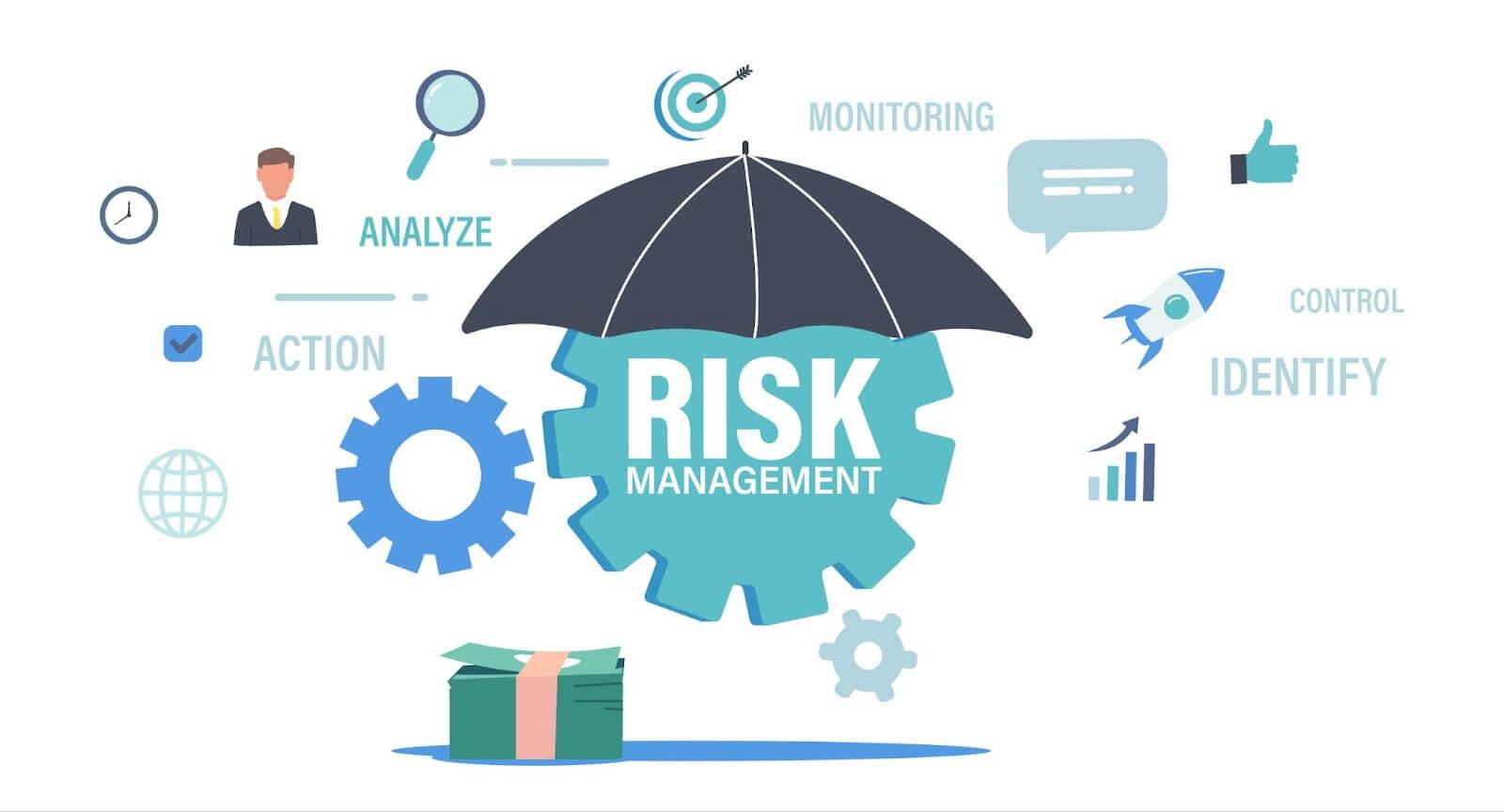
Here are the steps to help you implement IT risk management frameworks in your organization:
1. Pre-implementation preparation
- Establish leadership support: Gain buy-in from senior management to ensure commitment and resources for the implementation process.
- Define scope and objectives: Clearly outline the scope of the IT risk management initiative and establish measurable objectives to guide the implementation efforts.
- Resource allocation: Allocate necessary resources, including personnel, budget, and technology, to support the implementation process effectively.
2. Framework selection and customization
- Assess organizational needs: Conduct a thorough assessment of organizational requirements, including industry regulations, risk tolerance, and business objectives.
- Evaluate framework suitability: Evaluate various IT risk management frameworks based on their alignment with organizational needs, scalability, and compatibility.
- Customization to fit organizational context: Customize the selected framework to align with the organization’s unique structure, processes, and risk profile.
3. Implementation process
- Risk identification: Identify and document potential IT risks across the organization, considering internal and external factors that may impact operations.
- Risk assessment: Assess the identified risks based on their likelihood and potential impact on business objectives, using qualitative and quantitative analysis techniques.
- Risk treatment: Develop and implement risk treatment strategies to mitigate, transfer, or accept identified risks, considering cost-effectiveness and risk tolerance.
- Monitoring and review: Establish mechanisms to continuously monitor and review the effectiveness of risk treatments and adjust strategies as needed to address evolving threats and vulnerabilities.
4. Integration with existing systems and processes
- Align with business objectives: Integrate the IT risk management framework with existing business processes and objectives to ensure alignment and maximize value.
- Integration with compliance programs: Ensure that the IT risk management processes align with regulatory requirements and compliance programs relevant to the organization’s industry and geography.
5. Training and awareness
- Staff training on framework implementation: Provide comprehensive training to employees involved in the IT risk management process to ensure understanding and compliance with established procedures.
- Create awareness of IT risks and mitigation strategies: Raise awareness among all stakeholders about the importance of IT risks and the role they play in mitigating these risks to protect organizational assets and operations.
6. Continuous improvement
- Regular review and updates: Establish a schedule for regular review and updates of the IT risk management framework to reflect changes in the organization’s risk landscape, technology, and regulatory environment.
- Learn from incidents and near-misses: Foster a culture of continuous learning and improvement by analyzing incidents and near-misses to identify root causes and implement corrective actions to prevent recurrence.
Benefits of IT risk management frameworks
Implementing IT risk management frameworks is crucial for organizations to identify, assess, and mitigate these risks effectively. These frameworks offer structured approaches and best practices for managing IT risks, providing numerous benefits to organizations seeking to safeguard their assets and operations:
- Enhanced risk visibility: Provides organizations with a comprehensive view of their IT risks, allowing for better understanding and prioritization of threats.
- Improved decision-making: Empowers decision-makers with the information and insights needed to make informed choices regarding IT investments, resource allocations, and risk mitigation strategies.
- Regulatory compliance: Facilitates compliance with industry regulations and standards by establishing structured processes for identifying, assessing, and managing IT risks in alignment with regulatory requirements.
- Cost savings: Helps organizations identify and mitigate potential risks, reducing the likelihood of costly security breaches, downtime, and regulatory fines.
- Enhanced stakeholder confidence: Demonstrates a commitment to managing IT risks effectively. This enhances trust and confidence among customers, investors, and other stakeholders in the organization’s ability to protect its assets and operations.
Accelerate the implementation of IT risk management frameworks with CyberArrow
CyberArrow is a compliance automation platform that automates the implementation of standards like ISO 27001 and ISO 31000. By leveraging advanced automation capabilities, CyberArrow streamlines and expedites the implementation process, allowing organizations to achieve compliance and strengthen their cyber security posture efficiently. With CyberArrow, organizations can benefit from:
- Automated documentation: Generate and maintain documentation required for compliance with IT Risk Management standards, saving time and resources.
- Customization and scalability: Tailor the platform to fit the unique needs and scale of the organization, ensuring flexibility and adaptability.
- Integration with existing systems: Seamlessly integrate with existing IT infrastructure and tools, minimizing disruption and maximizing efficiency.
Read how CyberArrow GRC improved risk assessment across departments for the DCD – Abu Dhabi.
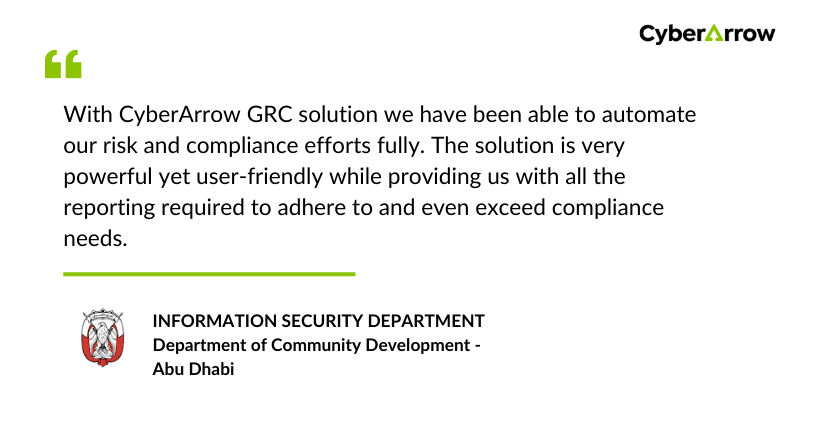
See what DCD – Abu Dhabi has to say about CyberArrow GRC:
Ready to accelerate your journey toward implementing an IT risk management framework? Schedule a free demo today!
FAQs
Which framework is the best for IT risk management?
ISO 31000 is the most commonly used IT risk management framework. However, selecting the best framework for IT risk management depends on the organization’s specific needs and objectives. Organizations should assess their unique circumstances and requirements to determine which framework best aligns with their goals and risk management approach.
What are the 5 components of the risk management framework?
The risk management framework typically comprises five key components: risk identification, risk assessment, risk response, risk monitoring, and risk communication. These components provide a structured approach to managing risks effectively, from identifying potential threats and vulnerabilities to implementing strategies to mitigate or transfer risks and continuously monitoring the risk landscape.
Why use a risk framework?
Using a risk framework provides several benefits to organizations. Firstly, it offers a structured and systematic approach to managing risks, ensuring that potential threats are identified, assessed, and addressed consistently. Additionally, a risk framework helps organizations prioritize risks based on their likelihood and potential impact. It enables them to allocate resources effectively to mitigate the most critical threats.
