


How to handle a FERPA complaint: A guide for educational institutions
Educational institutions handle vast amounts of sensitive student information every day, including academic records, disciplinary files, and personal contact details. Under the Family Educational Rights and Privacy Act (FERPA), schools and colleges are legally obligated to protect this data and ensure it’s only accessed or disclosed under the right circumstances.
Despite best efforts, FERPA complaints can arise, whether due to an unintentional data breach, improper record handling, or a delay in responding to parent or student requests. When they do, how institutions respond can make all the difference. Mishandling a FERPA complaint may not only damage trust but can also lead to investigations, funding risks, and reputational harm.
This guide explains what FERPA complaints typically involve, how to respond when one is filed, and outlines the steps your institution can take to remain compliant and avoid future violations.
What is a FERPA complaint?
A FERPA complaint is a formal grievance filed with the U.S. Department of Education when someone believes a student’s educational privacy rights have been violated. These complaints are typically submitted by parents or eligible students and are handled by the Family Policy Compliance Office (FPCO).
The complaint must generally be filed within 180 days of the violation and must include specific details about what happened.
How to respond to a FERPA complaint
If your school receives a FERPA complaint, follow these steps to handle it responsibly:
1. Acknowledge the complaint immediately
Respond to the individual (parent or eligible student) as soon as the complaint is received. Timely acknowledgment shows that your institution takes privacy concerns seriously and is committed to resolving them.
Tip: Designate a FERPA contact or compliance officer to lead communications and investigations.
2. Review the nature of the complaint thoroughly
Determine whether the issue involves improper disclosure, delayed record access, or another type of potential FERPA violation. This helps you assess the seriousness of the incident and identify which policies or departments are involved.
Example questions to ask:
- Was the information shared without consent?
- Who had access to the records in question?
- Were procedures followed as per your internal FERPA policy?
3. Conduct an internal investigation
Gather relevant documentation (e.g., emails, access logs, student record requests) and interview the involved personnel. Be objective and consistent in your process, documenting each step you take.
Steps to consider:
- Identify how and when the incident occurred.
- Determine if it was a system, process, or human error.
- Assess if the issue is isolated or part of a wider compliance gap.
4. Notify appropriate parties if required
If your review finds a clear violation, notify affected individuals and explain the next steps. In cases that may trigger legal consequences, consult legal counsel or your district’s compliance team.
Important: If a complaint is filed directly with the U.S. Department of Education’s Family Policy Compliance Office (FPCO), you may be required to submit documentation during their investigation.
5. Implement corrective actions
Once you’ve identified the root cause, take steps to prevent similar violations. This could include additional staff training, revising internal procedures, or improving system security.
Examples of corrective actions:
- Retraining staff on FERPA guidelines and role-specific responsibilities.
- Updating your student record access policies.
- Restricting permissions in student information systems.
6. Document everything
Maintain clear records of your entire response, from the initial complaint to the final resolution. These records may be helpful if regulators request them and will also help in future internal reviews.
After resolving the complaint, consider conducting a post-incident review with relevant teams. This helps reinforce a culture of accountability and encourages continuous improvement in privacy practices.
Common causes of FERPA complaints and how to prevent them
Many FERPA complaints stem from simple, preventable mistakes. Here are some of the most common causes, along with actionable tips to help your institution reduce the risk of violations and complaints.
1. Improper disclosure of student information
Cause: Staff sharing grades, disciplinary actions, or personal data with unauthorized individuals, even unintentionally.
How to prevent it:
- Train staff regularly on who qualifies as having a “legitimate educational interest.”
- Use secure systems (e.g., LMS or SIS platforms) to share student information.
- Avoid discussing student details in informal settings or emails.
2. Delays or denial of record access
Cause: Failing to grant parents or eligible students timely access to education records upon request.
How to prevent it:
- Establish a clear process for handling record requests within the 45-day FERPA deadline.
- Designate a team or staff member responsible for record requests and tracking.
- Keep documentation of all requests and responses for audit readiness.
3. Insecure physical or digital storage
Cause: Leaving physical records unsecured or using outdated platforms that don’t meet privacy standards.
How to prevent it:
- Lock physical file cabinets and restrict access to authorized personnel only.
- Encrypt sensitive data and use secure, FERPA-compliant digital platforms.
- Implement strong password policies and access control systems.
4. Inadequate vendor or edtech oversight
Cause: Using third-party tools that mishandle or improperly store student data.
How to prevent it:
- Vet vendors for FERPA compliance before adoption.
- Review contracts for data privacy clauses and student record handling.
- Maintain a list of approved tools and require staff to seek approval before using new software.
5. Human error and lack of awareness
Cause: Staff not understanding the scope of FERPA or mishandling data due to poor training.
How to prevent it:
- Provide ongoing awareness training tailored to staff roles.
- Use compliance automation tools like CyberArrow GRC to streamline policies, training, and audit trails.
- Run internal checks or simulations to identify weak points in data handling.
Support your compliance goals with smarter awareness
While no system can guarantee zero violations, building a culture of awareness significantly reduces your risk. This is where tools like CyberArrow Awareness Platform can help.
CyberArrow helps organizations strengthen staff awareness and reduce human error through:
- Localized, interactive training modules tailored to different regions and roles
- Custom dashboards for tracking completion and progress
- Built-in phishing simulation tools to reduce social engineering threats
- Individual progress tracking for accountability
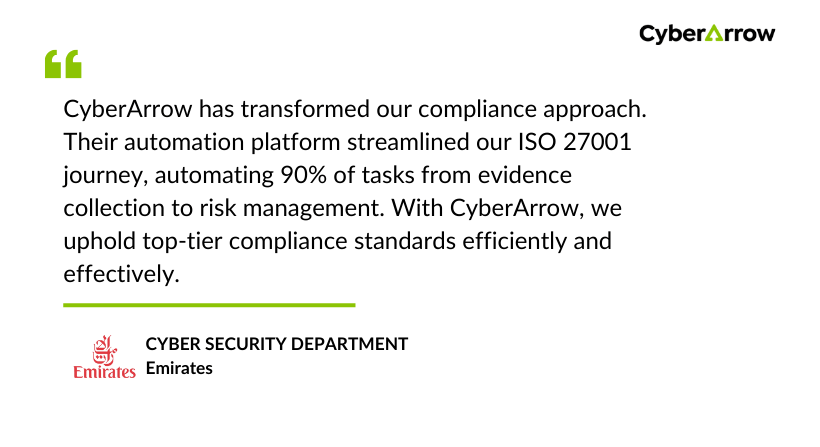
See what companies say about CyberArrow:
Whether you’re training educators, IT teams, or administrators, consistent and engaging awareness programs help protect against unintentional mistakes, the leading cause of most compliance complaints.
