What is FedRAMP compliance? A quick start guide
The U.S. Federal Government has advocated for cloud computing since the Cloud First policy was introduced in 2011. By 2018, this policy evolved into Cloud Smart, offering more guidance on cloud adoption. However, the rapid adoption of cloud solutions brought the growing need for stronger cybersecurity. As cyber threats became more sophisticated, it became essential to secure cloud environments, mainly when used by federal agencies.
The U.S. government established several cyber security frameworks to address these risks and ensure the safe use of cloud technologies. One of the most important is FedRAMP (Federal Risk and Authorization Management Program), which provides a standardized approach to security assessments, authorizations, and continuous monitoring for cloud service providers.
So, what is FedRAMP compliance? And who needs to comply with it?
Let’s explore in this article.
What is FedRAMP compliance?
FedRAMP is a government-wide program that provides a standardized approach to security for cloud services. It ensures that cloud service providers meet strict security requirements when working with federal agencies.
FedRAMP was created to help the U.S. government safely adopt cloud technologies. It helps protect sensitive government data by ensuring cloud providers follow strong security standards.
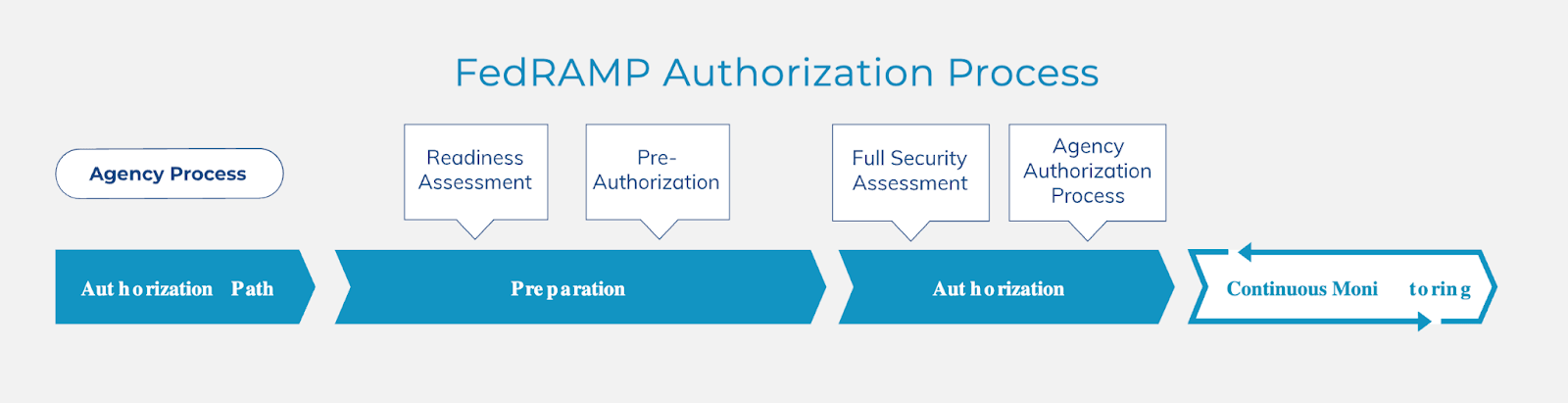
Cloud service providers (CSPs) aiming to offer cloud solutions to U.S. government agencies must achieve FedRAMP compliance. This involves following the NIST Special Publication 800 series guidelines and undergoing an independent security review by a third-party assessment organization (3PAO). This assessment ensures that the provider meets the requirements of the Federal Information Security Management Act (FISMA).
The key goals of FedRAMP are to improve security, maintain consistency across different agencies, and reduce costs by avoiding the need for each agency to do its security assessments.
Who needs to achieve FedRAMP compliance?
Any Cloud Service Provider (CSP) that wants to sell its services to U.S. federal agencies must comply with FedRAMP. This includes vendors offering Software-as-a-Service (SaaS), Infrastructure-as-a-Service (IaaS), and Platform-as-a-Service (PaaS) solutions.
FedRAMP compliance is also important for businesses working with government contractors or subcontractors. If your company provides cloud services to these contractors, meeting FedRAMP standards may be required to continue those partnerships.
Impact levels in FedRAMP
Cloud Service Offerings (CSOs) are classified into three impact levels, low, moderate, and high, based on three core security objectives: confidentiality, integrity, and availability.
- Low impact level: Suitable for systems where loss of confidentiality, integrity, or availability would have limited adverse effects on an agency’s operations or assets. This includes Low-Impact SaaS (LI-SaaS) applications that typically do not handle sensitive data beyond login credentials. Security requirements are minimal compared to higher impact levels.
- Moderate impact level: Covers most cloud services authorized under FedRAMP, where data loss could cause serious damage, such as operational disruption, financial harm, or individual risks (excluding life-threatening situations). 80% of CSOs fall under this level.
- High impact level: Applied to systems critical to national security, law enforcement, healthcare, and financial operations. Loss of data here could result in severe or catastrophic consequences, including threats to life and economic stability.
What are FedRAMP compliance requirements?
FedRAMP certification is essential for CSPs who wish to offer their services to U.S. federal agencies. The compliance process involves several steps to ensure that CSPs meet the federal government’s stringent security standards.
These steps include:
1. Compile initial FedRAMP documents
To begin the FedRAMP compliance process, CSPs must compile several initial documents. This includes the System Security Plan (SSP), which outlines the security controls in place, and the Security Assessment Plan (SAP), which describes how the controls will be tested.
These documents serve as the foundation for demonstrating compliance with FedRAMP standards. You can get information about other FedRAMP documents and templates on the official website.
2. FIPS 199 assessment
The Federal Information Processing Standard (FIPS) 199 assessment, developed by NIST, is crucial for determining the potential impact of a data breach on an organization. CSPs must categorize their systems into Low, Moderate, or High-impact levels based on the data they handle. This assessment informs the required security controls and helps manage the overall risk.
3. Conduct a 3PAO readiness assessment
Before pursuing FedRAMP authorization, CSPs should conduct a readiness assessment with a Third-party Assessment Organization (3PAO). This organization will conduct a cyber security assessment and develop your Readiness Assessment Report (RAR).
This assessment evaluates the CSP’s current security posture and identifies any gaps in compliance. Addressing these gaps before the formal assessment can streamline the authorization process.
4. Create a plan of action and milestones (POA&M) and execute
Once the readiness assessment is complete, CSPs must develop a Plan of Action and Milestones (POA&M). The POA&M is a key requirement that FedRAMP adopts from NIST SP 800-53.
In this phase, the agency or CSP working towards authorization must put in place controls that address any identified gaps between FedRAMP standards and the information systems and controls being assessed. Ideally, this remediation follows a systematic timeline, with all actions to fix these gaps adequately documented.
5. Choose your approach for authorization
CSPs must select an appropriate path for obtaining authorization:
- Agency ATO: This approach involves working directly with a federal agency to obtain an Authorization to Operate (ATO). This can provide a more tailored experience as the agency sponsors the CSP through the authorization process.
- JAB (Joint Authorization Board) P-ATO: This is the most rigorous route for FedRAMP approval. The JAB consists of representatives from the three primary federal organizations (GSA, DoD, and DHS) and reviews CSPs’ security documentation thoroughly before granting a Provisional Authorization to Operate (P-ATO).
6. Maintain continuous monitoring
After receiving authorization, CSPs are required to implement continuous monitoring practices. This involves regular security assessments, vulnerability scanning, and ongoing reporting to ensure that security controls remain effective.
Maintaining continuous monitoring helps organizations comply with FedRAMP requirements and quickly address emerging security threats.
Ease your FedRAMP compliance efforts with CyberArrow
Achieving FedRAMP certification can be a daunting task for many organizations. The rigorous requirements and complex processes often lead to delays and frustrations, diverting valuable resources from your core mission—delivering exceptional services to federal clients. Here, CyberArrow can help.
With CyberArrow, you can simplify and accelerate the process of meeting FedRAMP requirements, allowing you to focus on your primary goals. It lets you put compliance on autopilot and streamline the certification process with real-time monitoring, automated reporting, and seamless collaboration across teams.
Why choose CyberArrow?
- Certification automation: Achieve FedRAMP certification quickly with our automated processes. Plus, leverage our cross-standard mappings to obtain additional certifications effortlessly.
- Virtual CISO: Access expert cyber security advice from a dedicated virtual CISO, available through chat and calls to guide you every step of the way.
- Dedicated team: Work alongside a dedicated team that will support you throughout your implementation journey, ensuring you have the assistance you need.
- Zero-touch audits: Our zero-touch approach allows you to experience hassle-free audits. CyberArrow’s auditor partners will conduct yearly audits seamlessly through the system.
But don’t just take our word for it. Here’s what our customers are saying: