A guide to GDPR Article 28
The General Data Protection Regulation (GDPR) is one of the most important data protection laws in the world. It applies to businesses that handle personal data of European Union (EU) citizens and sets strict rules to ensure data security and privacy. One of the key sections of GDPR is Article 28, which focuses on the role of data processors and their responsibilities.
Data processors are third-party companies or service providers that handle personal data on behalf of another business (the data controller). Article 28 ensures that these processors follow strict security measures and protect personal data from misuse, breaches, or unauthorized access.
Businesses must carefully choose their data processors and ensure they meet GDPR requirements. This is where CyberArrow GRC comes in. It helps organizations automate GDPR compliance, manage vendor risks, and ensure that all third-party processors follow Article 28 guidelines.
In this guide, we will explain GDPR Article 28, why it is important, and how businesses can comply with it using CyberArrow GRC.
- What is GDPR Article 28?
- Who is a data processor under GDPR?
- How to comply with GDPR Article 28?
- Why non-compliance with Article 28 is risky
- How CyberArrow GRC helps with GDPR compliance
- 1. Automates data processing agreements (DPA)
- 2. Risk assessment & vendor compliance monitoring
- 3. Tracks processor compliance in real-time
- 4. Automates audits and reporting
- 5. Manages data subject requests efficiently
- 6. Ensures secure data handling & deletion
- 7. Keeps businesses updated on compliance changes
What is GDPR Article 28?
GDPR Article 28 is a legal requirement that defines the responsibilities of data processors when handling personal data. It ensures that processors follow strict security standards, protect data, and process it only as instructed by the data controller.
Key points of Article 28
- Processors must have written agreements: Businesses (data controllers) must sign a contract with data processors outlining GDPR requirements.
- Processors must follow data security rules: They must take technical and organizational measures to keep data safe.
- No sub-processing without permission: If a processor wants to hire another company (sub-processor), they need approval from the data controller.
- Assist with GDPR rights and obligations: Processors must help businesses handle data subject requests, audits, and security incidents.
- Delete or return data after contract ends: When a processor’s contract ends, they must delete or return all personal data to the controller.
- Allow audits and inspections: Controllers have the right to audit processors to ensure they follow GDPR rules.
GDPR holds businesses responsible for the actions of their data processors. If a processor fails to comply, both the processor and the business can face fines and legal consequences.
Who is a data processor under GDPR?
A data processor is any third-party company that processes personal data on behalf of a business (data controller). Processors do not own the data; they only handle it as instructed.
Examples of Data Processors
- Cloud storage providers (e.g., AWS, Google Cloud)
- CRM software companies (e.g., Salesforce, HubSpot)
- Marketing agencies that process customer data
- Payment processors (e.g., PayPal, Stripe)
- HR software companies that manage employee data
If a company hires a service provider to handle customer, employee, or business data, that provider is a data processor under GDPR.
How to comply with GDPR Article 28?
Businesses must follow these steps to ensure their data processors meet GDPR Article 28 requirements.
1. Sign a data processing agreement (DPA)
A DPA is a legal contract between the business and the processor. It should include:
- Scope of processing (what data is handled and why)
- Security measures taken to protect data
- Data retention and deletion policies
- Processor’s responsibilities in case of a breach
2. Choose GDPR-compliant processors
Before hiring a processor, businesses should check:
- Does the processor follow GDPR security rules?
- Do they have strong data protection policies?
- Have they faced data breaches before?
- Can they provide proof of compliance?
3. Monitor and audit processors regularly
Businesses should review processor activities, conduct audits, and check compliance reports to ensure ongoing security.
4. Get approval for sub-processing
If a processor wants to hire another company to handle data, they must get written permission from the business.
5. Ensure processors help with GDPR requests
If a customer asks to delete their data or access their information, processors must assist in handling the request.
6. Make sure data is deleted or returned after the contract ends
When a processor stops working with a business, they must securely delete or return all personal data.
Quick link: Download your free GDPR compliance checklist.
Why non-compliance with Article 28 is risky
Failing to follow Article 28 can lead to severe consequences, including:
- Heavy fines: GDPR fines can go up to €20 million or 4% of global revenue.
- Legal action: Customers or regulators may sue the company for mishandling personal data.
- Reputation damage: A data breach or compliance failure can ruin trust and damage a company’s reputation.
Businesses must take GDPR compliance seriously and ensure they work only with trusted and secure processors.
How CyberArrow GRC helps with GDPR compliance
Managing GDPR compliance manually is time-consuming and complicated. CyberArrow GRC makes it simple, fast, and automated. Here’s how:
1. Automates data processing agreements (DPA)
CyberArrow GRC stores and manages all DPAs in one place. Businesses can create, sign, and track agreements easily.
2. Risk assessment & vendor compliance monitoring
CyberArrow GRC helps businesses evaluate processors, assess security risks, and ensure they meet GDPR rules.
3. Tracks processor compliance in real-time
Businesses can monitor vendor activities, security measures, and compliance status from a single dashboard.
4. Automates audits and reporting
CyberArrow GRC generates compliance reports for audits and regulatory submissions. This helps businesses prove they are following Article 28.
5. Manages data subject requests efficiently
CyberArrow GRC helps automate data deletion, access requests, and user rights handling, ensuring processors follow GDPR rules.
6. Ensures secure data handling & deletion
CyberArrow GRC ensures data is deleted or returned securely when contracts with processors end.
7. Keeps businesses updated on compliance changes
CyberArrow GRC provides alerts and updates on GDPR regulation changes, so businesses stay compliant at all times.
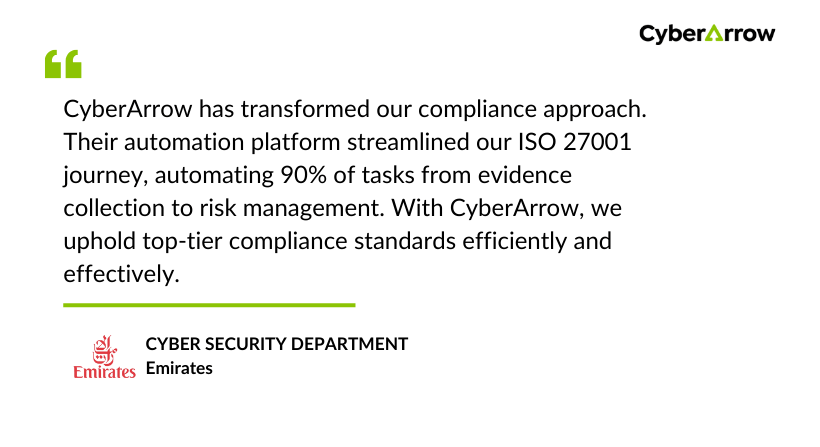
See what a global brand like Emirates has to say about CyberArrow GRC: